The Perforated Casing Pipe and What You Need to Know
Introduction
In the world of drilling and well construction, the perforated casing pipe plays a pivotal role. These pipes are essential components in various industries, including oil and gas, water well drilling, and geothermal energy. They are designed to support the wellbore, prevent the collapse of surrounding formations, and allow fluids to flow into the well. This comprehensive guide delves into the intricacies of perforated casing pipes, covering their design, applications, manufacturing processes, and key considerations for selection and installation.
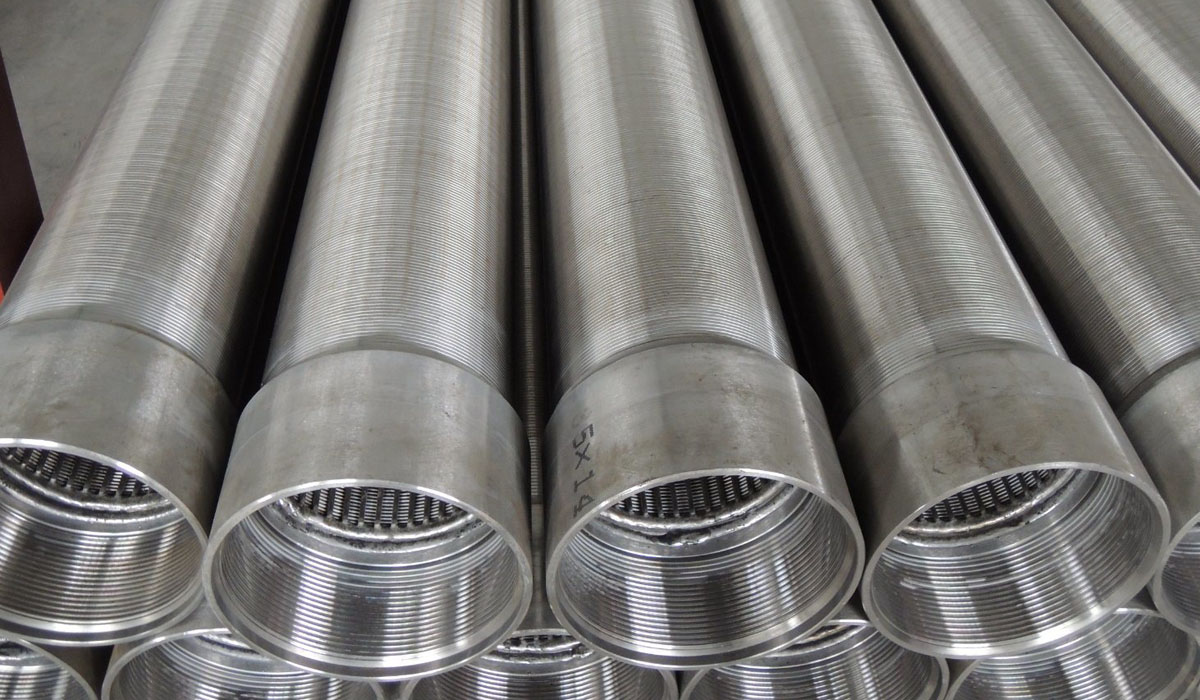
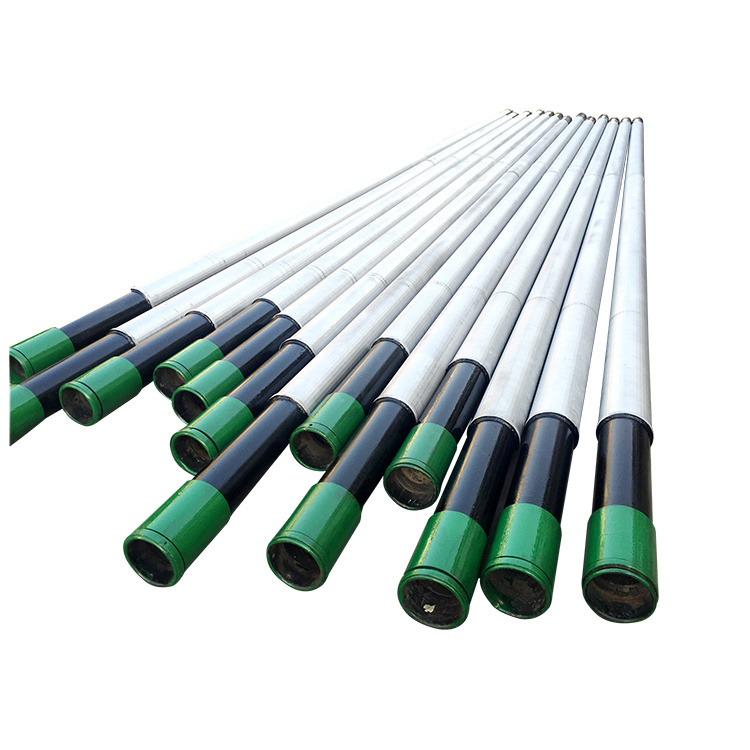
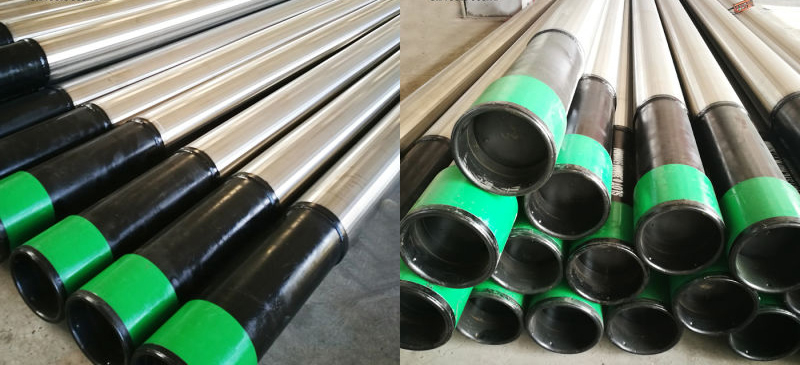
Punched Tube Hose types
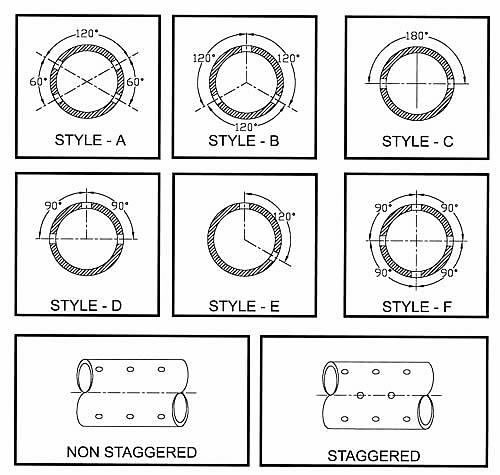
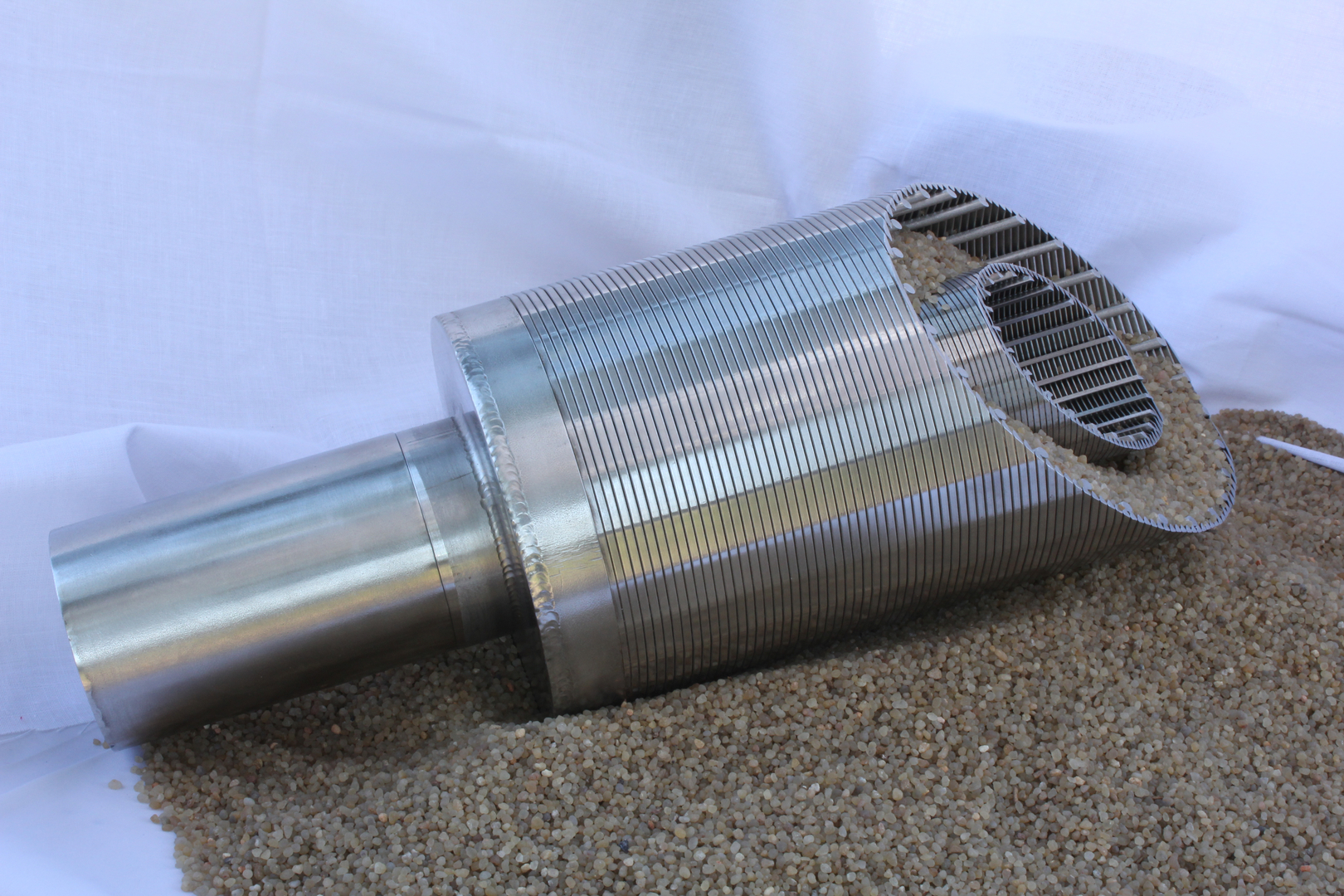
Perforated Supporting Tube/Pipe Construction Illustration
Product parameters
|
Pipe Size (inch) |
Number of hoses (sq in./ft) |
Hole Diameter (inch) |
Open Area (sq in./ft) |
|
3/4 |
78 |
3/16 |
2.15 |
|
1 |
54 |
5/16 |
4.14 |
|
1-1/4 |
66 |
5/16 |
5.06 |
|
1-1/2 |
78 |
5/16 |
5.98 |
|
2-1/16 |
78 |
5/16 |
5.98 |
|
2-3/8 |
90 |
3/8 |
9.94 |
|
2-7/8 |
102 |
3/8 |
11.26 |
|
3-1/2 |
126 |
3/8 |
13.91 |
|
4 |
138 |
3/8 |
15.24 |
|
4-1/2 |
150 |
3/8 |
16.56 |
|
5 |
162 |
3/8 |
17.88 |
|
5-1/2 |
174 |
3/8 |
19.21 |
|
6-5/8 |
186 |
3/8 |
20.53 |
|
7 |
222 |
3/8 |
24.51 |
|
9-5/8 |
294 |
3/8 |
32.46 |
1. Understanding Perforated Casing Pipes
1.1 What is a Perforated Casing Pipe?
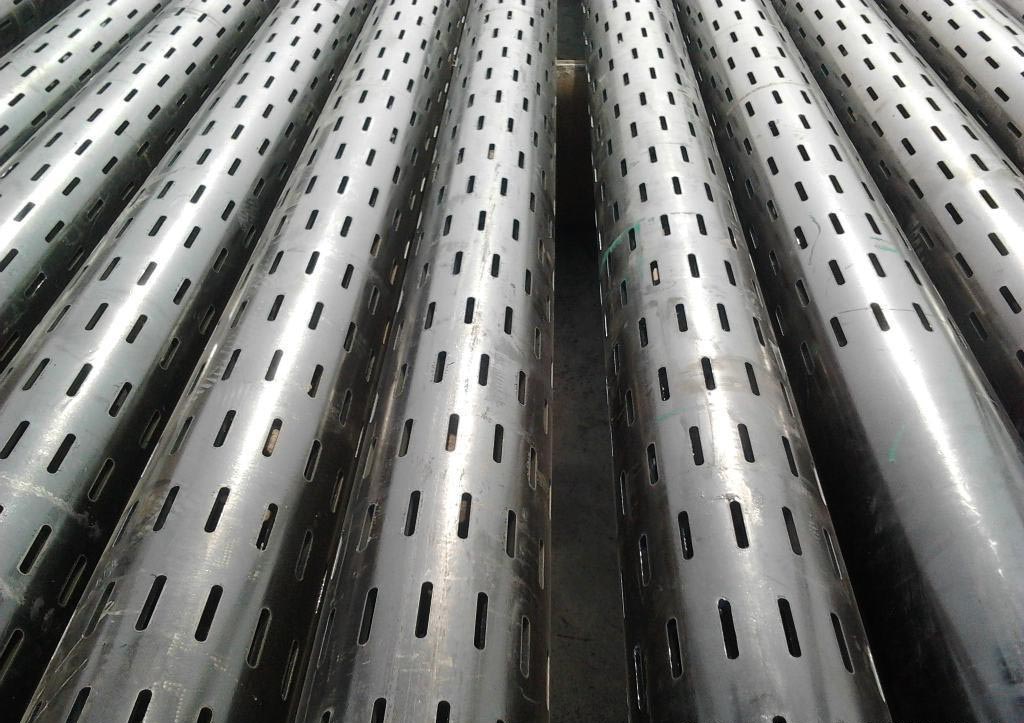
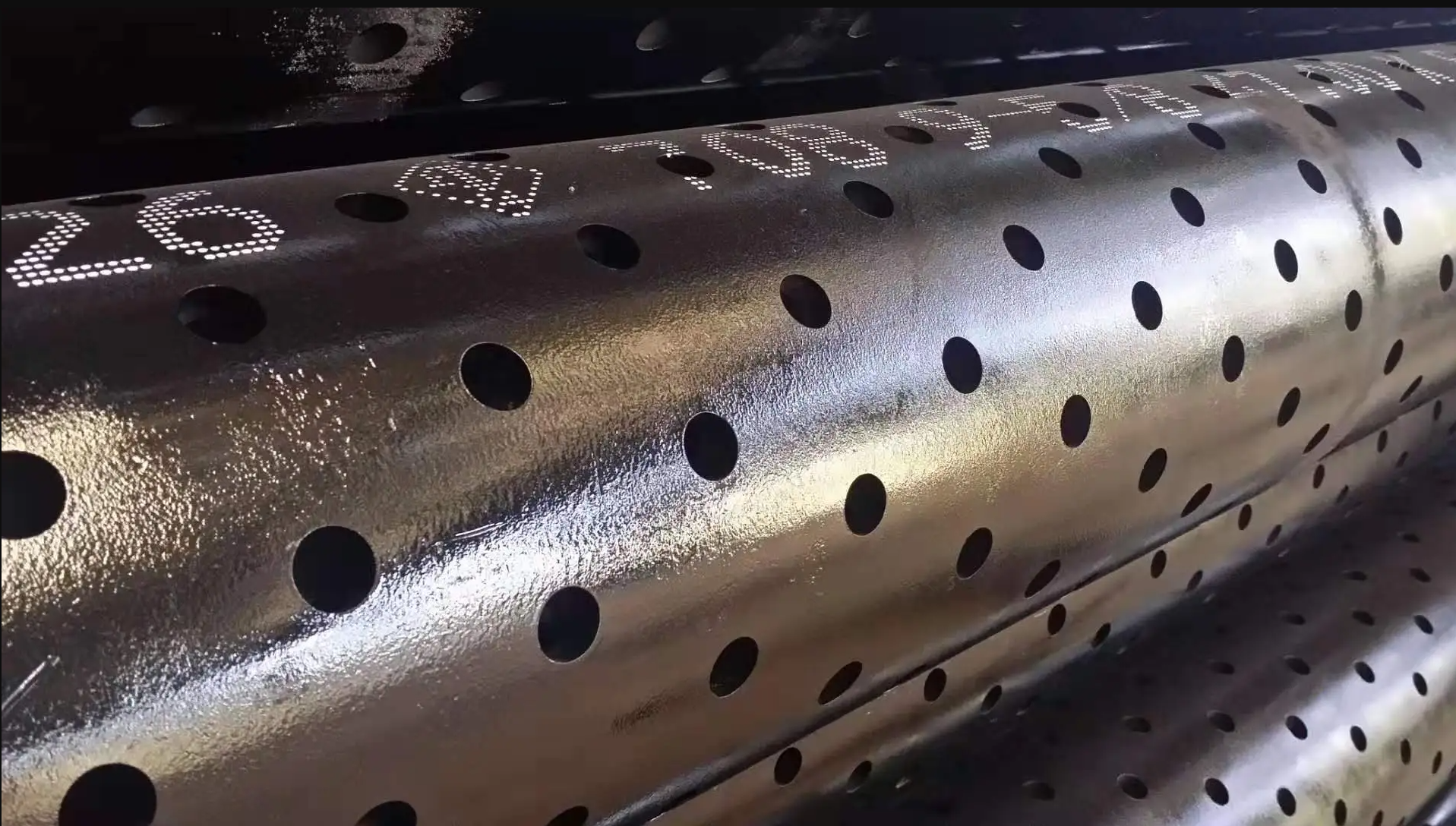
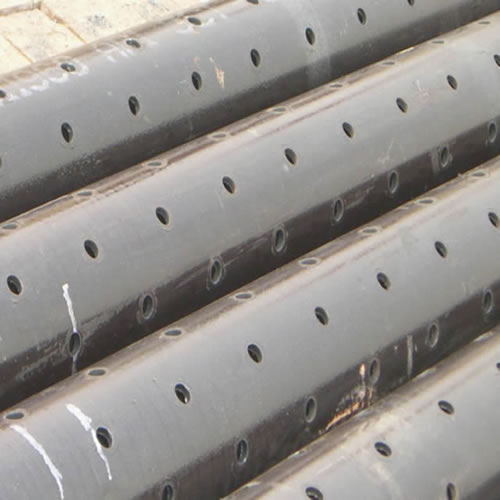
A perforated casing pipe is a type of pipe used in well construction that features a series of holes or slots along its length. These perforations allow fluids, such as oil, gas, or water, to enter the well while providing structural support to the wellbore.
1.2 Design and Features
Perforated casing pipes are designed with specific features to optimize their performance in various applications:
- Material: Typically made from high-strength steel or stainless steel to withstand harsh downhole conditions.
- Perforation Patterns: The arrangement and size of the perforations can vary, affecting the flow capacity and structural integrity of the pipe.
- Diameter and Length: Available in various diameters and lengths to suit different well sizes and depths.
2. Applications of Perforated Casing Pipes
2.1 Oil and Gas Industry
In the oil and gas industry, perforated casing pipes are used to facilitate the extraction of hydrocarbons from underground reservoirs.
- Production Wells: Installed in production wells to allow oil and gas to flow into the wellbore while preventing the entry of sand and other debris.
- Horizontal Drilling: Used in horizontal drilling applications to maximize reservoir contact and enhance production rates.
2.2 Water Well Drilling
Perforated casing pipes are essential in water well drilling, providing a conduit for water to flow into the well.
- Municipal Water Supply: Used in municipal water supply wells to ensure a steady flow of clean water.
- Irrigation Wells: Installed in irrigation wells to provide water for agricultural purposes.
2.3 Geothermal Energy
In geothermal energy projects, perforated casing pipes are used to extract hot water or steam from geothermal reservoirs.
- Geothermal Wells: Installed in geothermal wells to facilitate the flow of geothermal fluids to the surface for energy production.
3. Manufacturing Processes
3.1 Material Selection
The selection of materials for perforated casing pipes is crucial to ensure their durability and performance in challenging environments.
- Carbon Steel: Commonly used for its strength and cost-effectiveness, suitable for most applications.
- Stainless Steel: Preferred for corrosive environments due to its superior corrosion resistance.
3.2 Perforation Techniques
Various techniques are used to create perforations in casing pipes, each with its advantages and limitations.
- Drilling: Mechanical drilling of holes into the pipe, suitable for creating precise and uniform perforations.
- Laser Cutting: Uses laser technology to create clean and precise perforations, ideal for complex patterns.
- Water Jet Cutting: Employs high-pressure water jets to cut perforations, minimizing heat-affected zones.
3.3 Quality Control
Quality control measures are implemented throughout the manufacturing process to ensure the integrity and performance of perforated casing pipes.
- Inspection: Visual and dimensional inspections are conducted to verify the accuracy of perforations and overall pipe dimensions.
- Testing: Mechanical and corrosion resistance tests are performed to ensure the pipe meets industry standards.
4. Key Considerations for Selection and Installation
4.1 Selecting the Right Perforated Casing Pipe
Choosing the appropriate perforated casing pipe involves considering several factors:
- Well Conditions: Assess the geological and environmental conditions of the well to determine the required material and perforation pattern.
- Flow Requirements: Consider the expected flow rates and select a pipe with suitable perforation size and density to optimize fluid flow.
- Corrosion Resistance: Evaluate the potential for corrosion and select materials that offer adequate protection.
4.2 Installation Best Practices
Proper installation is critical to the performance and longevity of perforated casing pipes.
- Alignment and Centralization: Ensure the pipe is properly aligned and centralized within the wellbore to prevent damage and ensure even fluid flow.
- Sealing and Grouting: Use appropriate sealing and grouting techniques to prevent fluid migration and maintain well integrity.
- Monitoring and Maintenance: Regularly monitor the condition of the casing pipe and perform maintenance as needed to address any issues.
5. Challenges and Solutions
5.1 Sand Control
One of the primary challenges in using perforated casing pipes is controlling the entry of sand and other particulates into the well.
- Sand Screens: Install sand screens in conjunction with perforated casing pipes to filter out sand and debris.
- Gravel Packing: Use gravel packing techniques to stabilize the formation and prevent sand production.
5.2 Corrosion and Erosion
Corrosion and erosion can compromise the integrity of perforated casing pipes over time.
- Corrosion Inhibitors: Use chemical inhibitors to reduce the rate of corrosion in aggressive environments.
- Erosion-Resistant Coatings: Apply protective coatings to the pipe surface to minimize erosion and extend service life.