Why Our SSAW Pipes Define Infrastructure
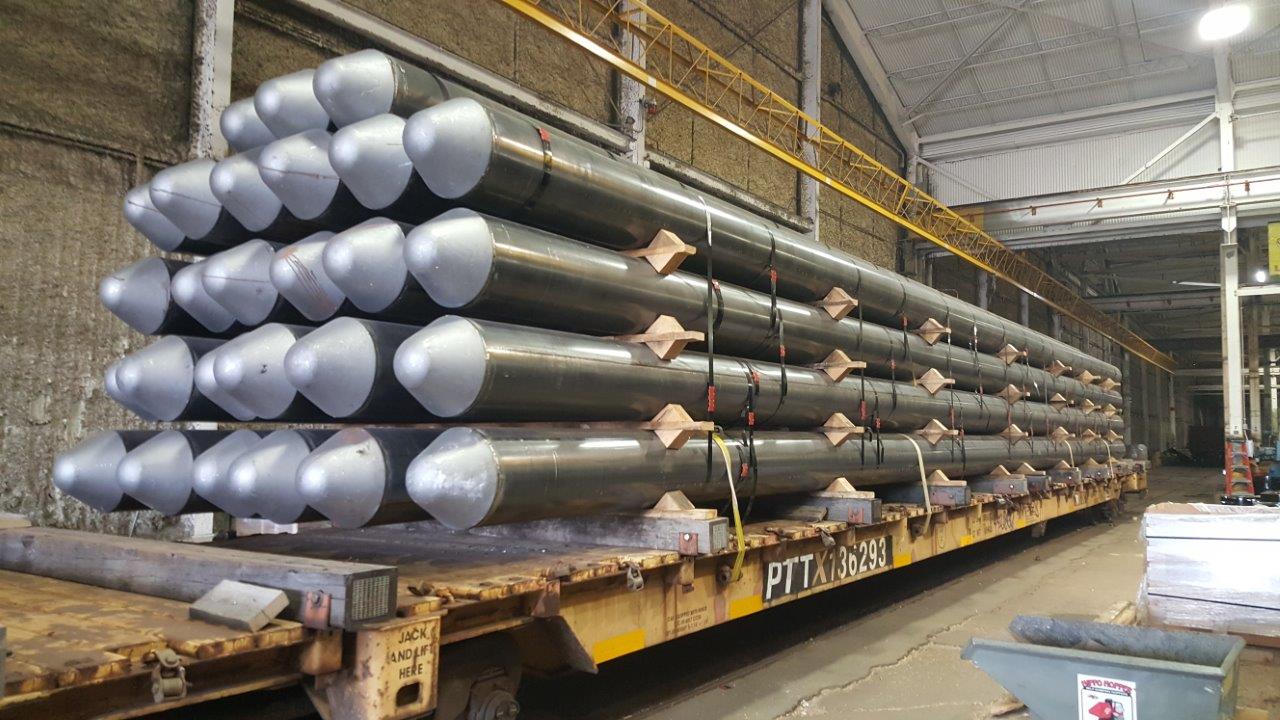
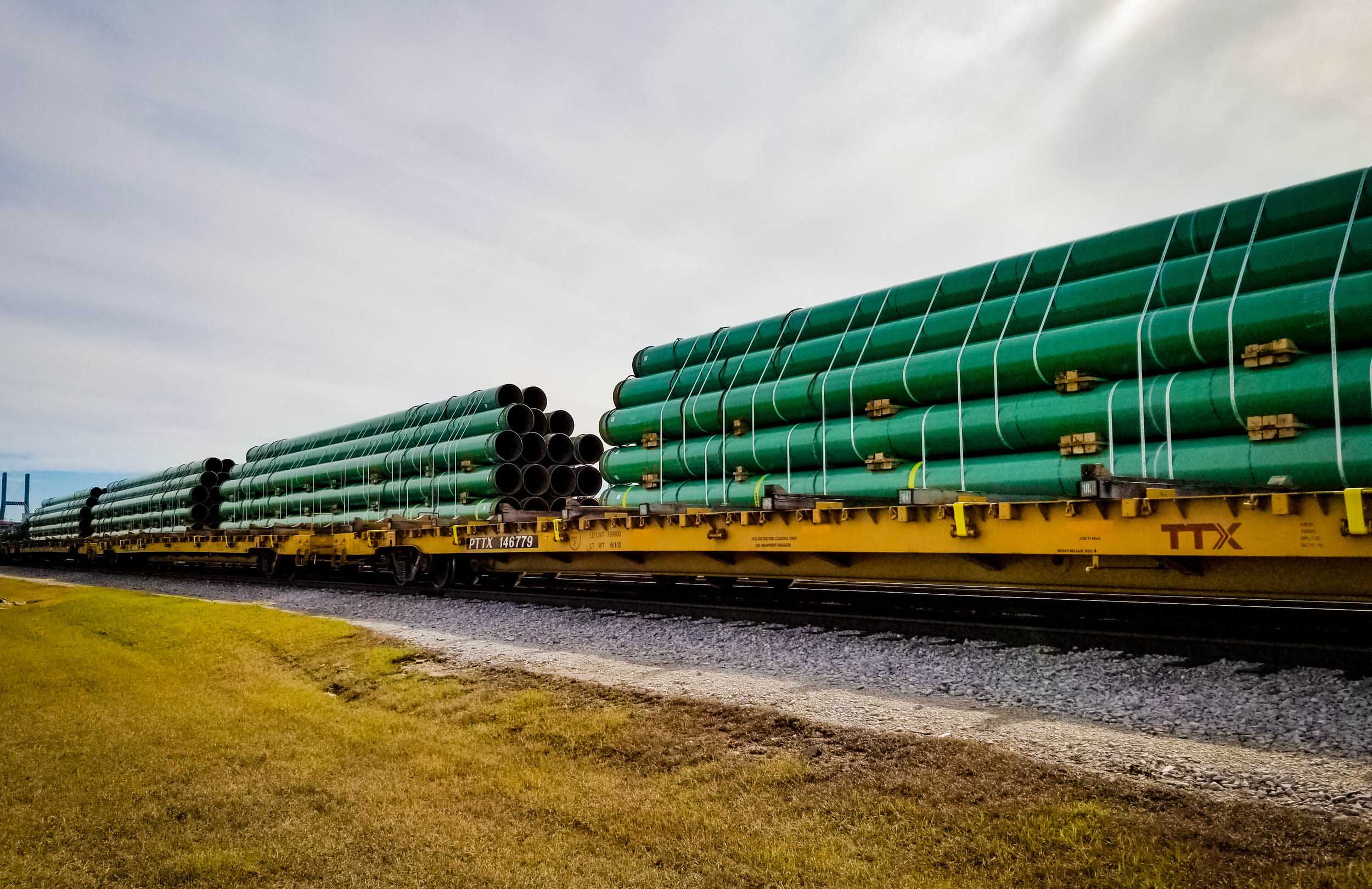
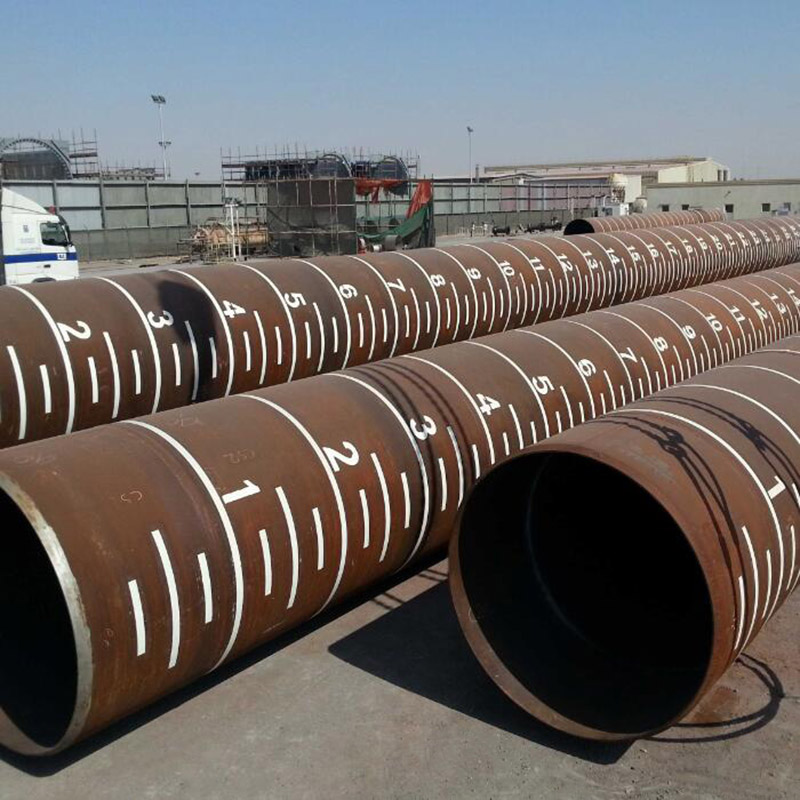
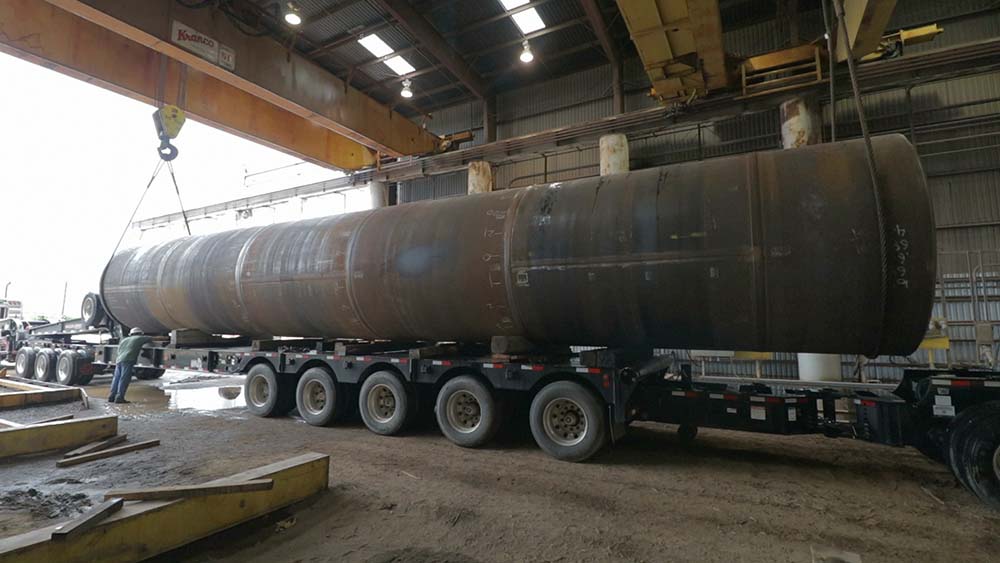
The versatility of our outside diameters—from 219mm to 2032mm—means that we can provide a single-source solution for everything from small-scale municipal water conduits to the massive pilings required for international port expansions. The helical weld is not a weakness; it is a structural reinforcement that allows our pipes to resist the “ovality” and buckling that often compromise straight-seam pipes during the violent energy transfer of hydraulic pile driving.
Our commitment to API 5L and ISO9001 standards ensures that every centimeter of the spiral seam has been subjected to rigorous non-destructive testing (NDT), including ultrasonic and X-ray inspection. This transparency gives project owners and engineers the confidence that their foundation will stand for a century, not just a decade. In the competitive world of global construction, our pipes offer the most efficient “strength-to-weight” ratio, reducing material costs without sacrificing safety. Whether your project is a high-pressure “oil and gas pipe” or a critical “bridge piling,” our SSAW pipes deliver a level of metallurgical integrity that is unrivaled in the industry.
We don’t just sell steel; we provide the certainty that your structure is anchored by the best engineering science has to offer. Our pipes are the silent partners in the world’s most impressive engineering feats, providing the stability that allows humanity to build higher, longer, and deeper than ever before.
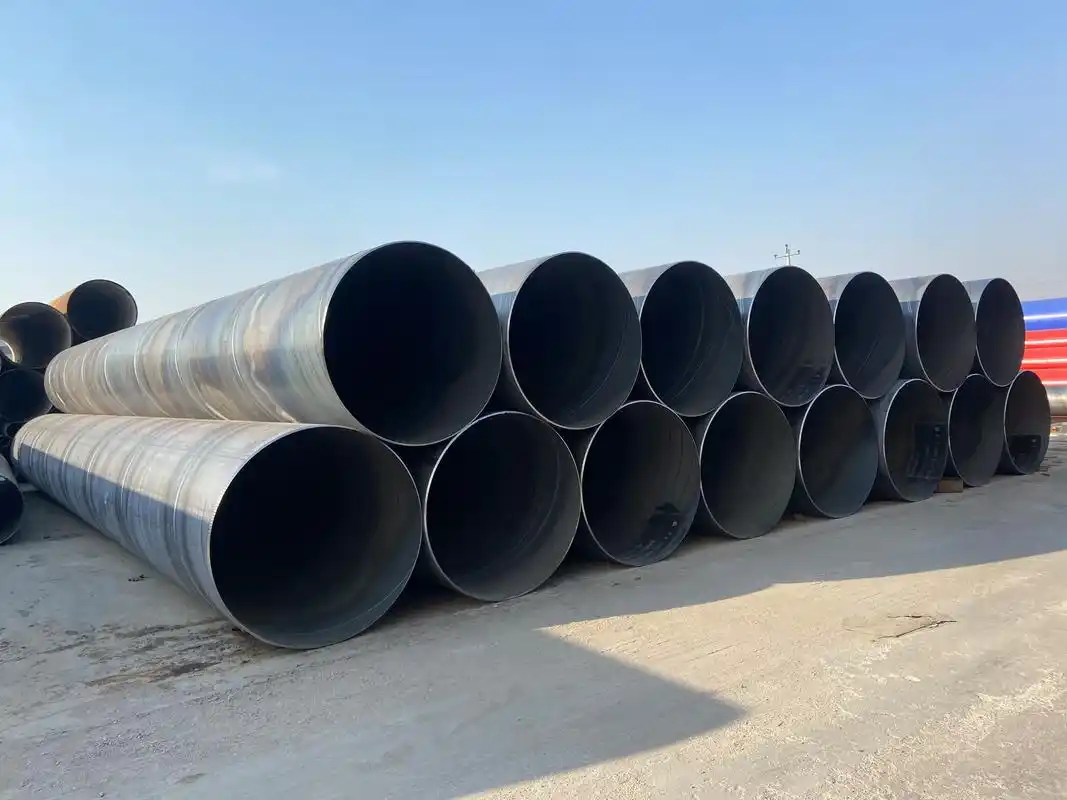
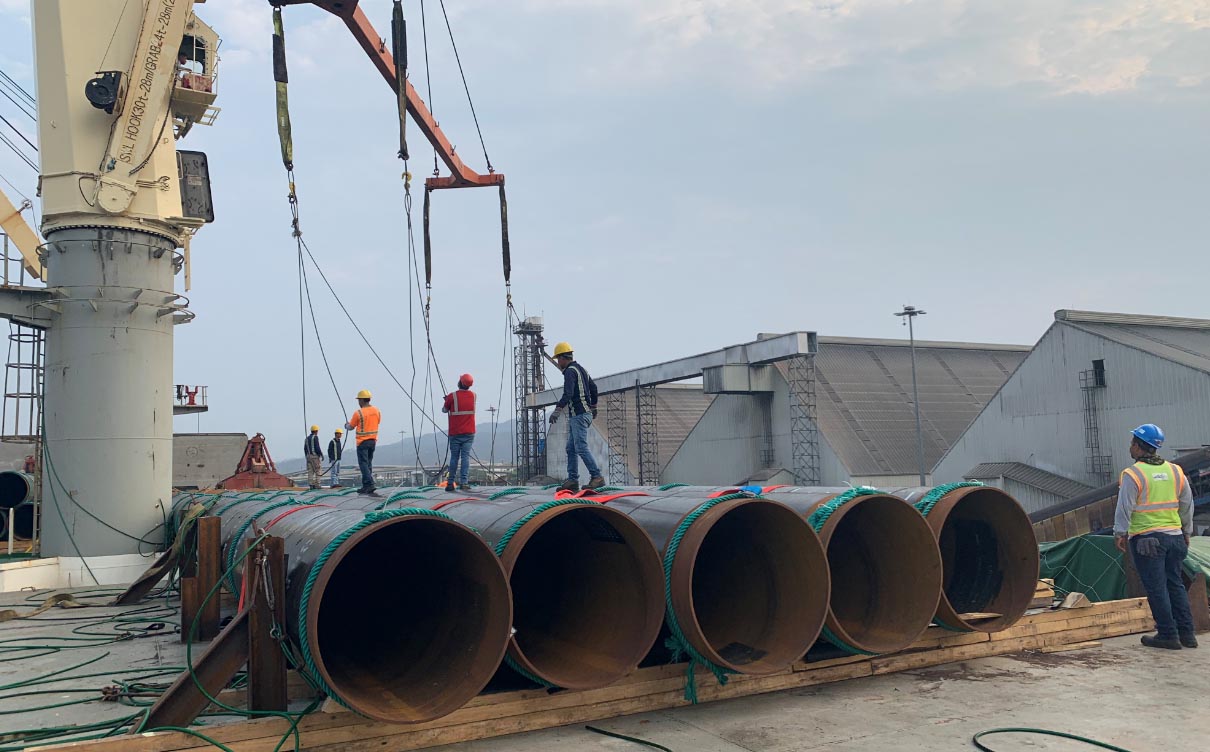
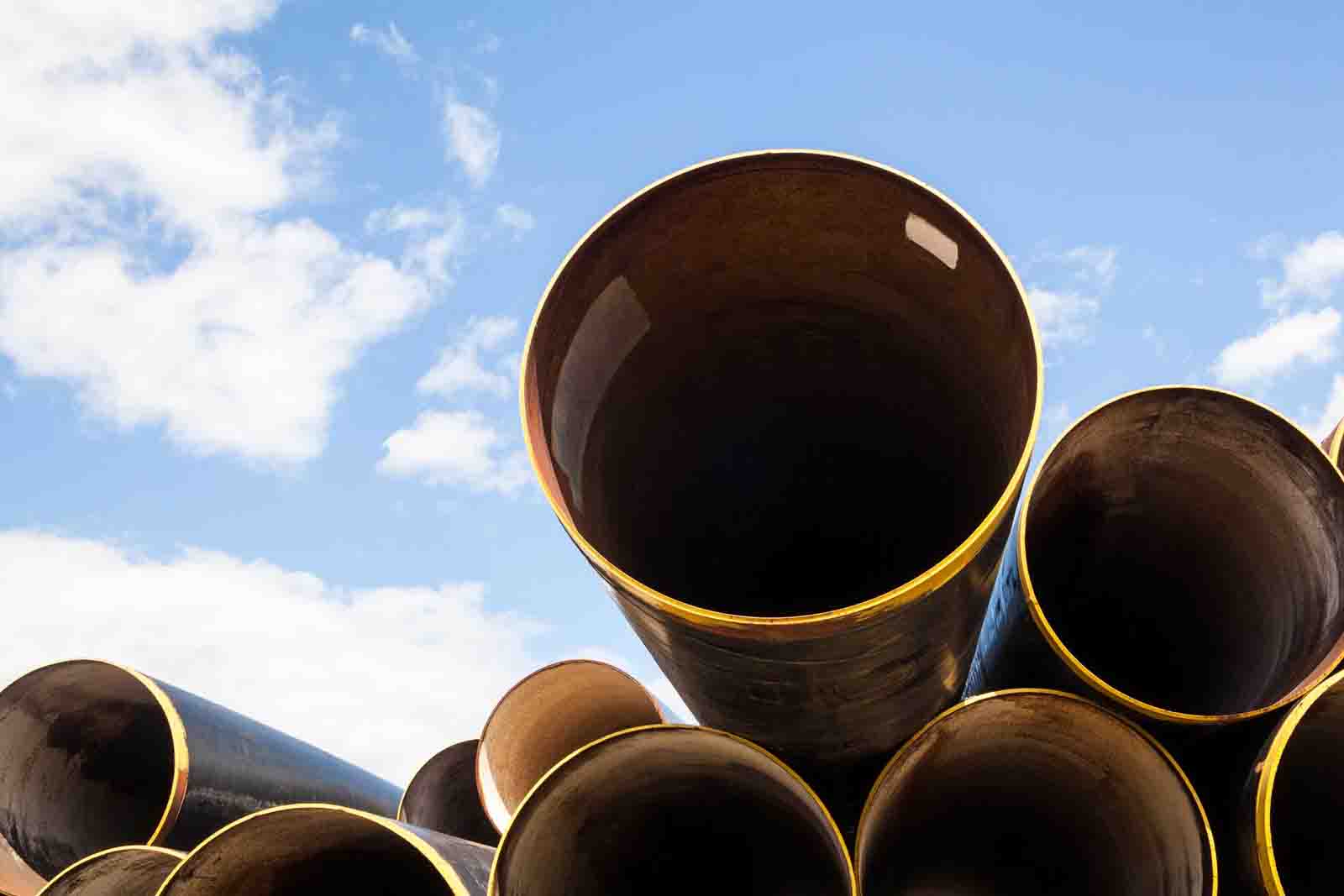
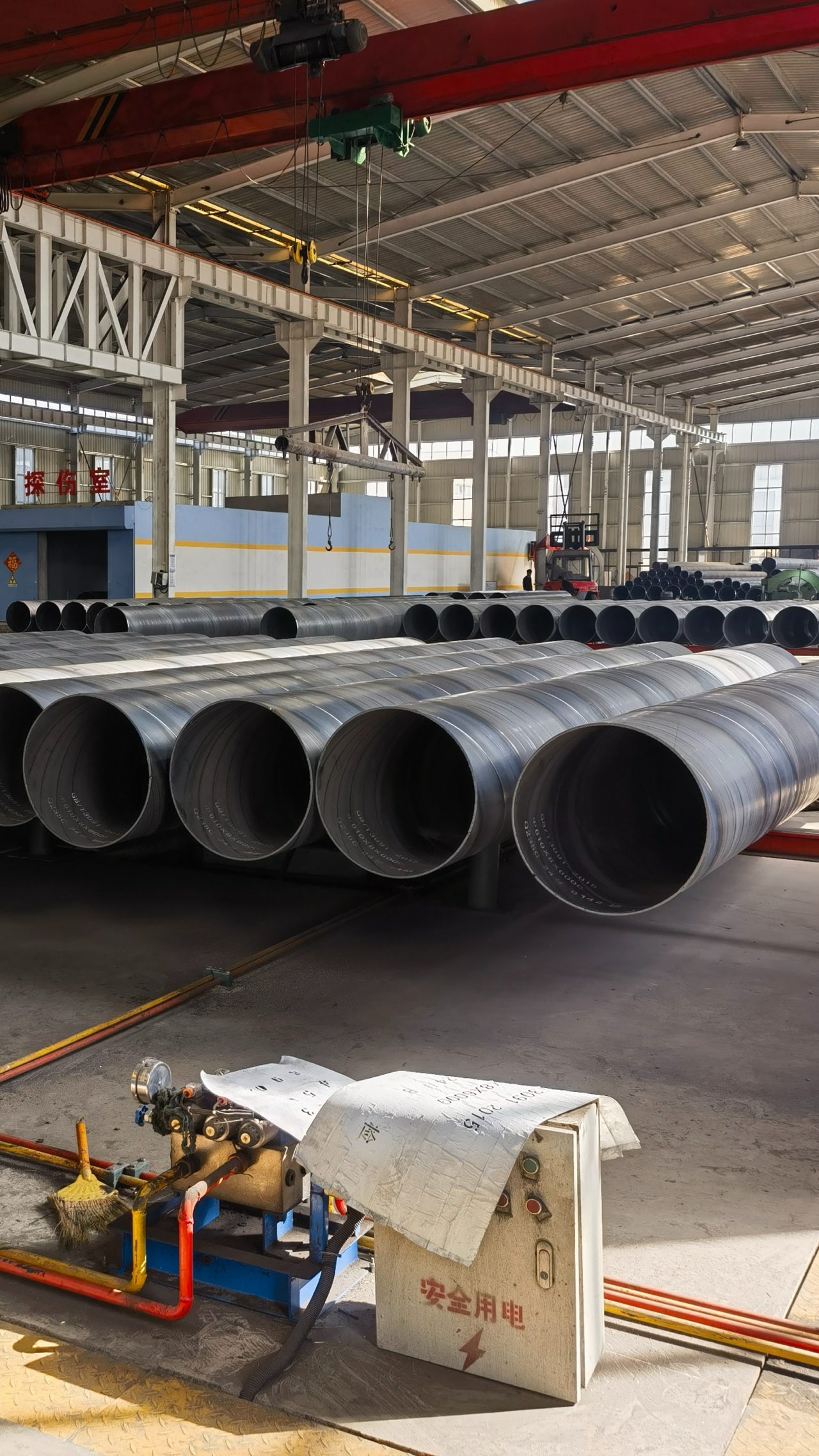
When we contemplate the structural essence of large-scale infrastructure—those silent giants like bridges, offshore platforms, and deep-foundation skyscrapers—we are essentially contemplating the integrity of the steel that anchors them to the earth, and it is here that the SSAW (Submerged Arc Helical Welded) Spiral Welded Structure Steel Pipe Pile reveals its true metallurgical and mechanical majesty. The process of creating a spiral pipe is almost organic in its complexity; it involves taking a flat, high-strength carbon steel coil and transforming it through a continuous helical forming process into a three-dimensional cylindrical vessel of immense load-bearing capacity, where the weld seam itself follows a path that geometrically distributes stress more efficiently than a traditional longitudinal weld. Unlike straight-seam pipes where the weld must bear the brunt of the hoop stress directly across its shortest path, the spiral weld in an SSAW pipe experiences a combination of axial and circumferential stresses, effectively reducing the internal pressure-induced strain on the weld line and allowing for the fabrication of massive diameters—ranging from 219mm up to 2032mm—from relatively narrow steel strips. This geometric advantage is coupled with the Submerged Arc Welding (SAW) technique, which protects the molten weld pool from atmospheric contamination using a blanket of granular flux, ensuring a deep-penetration, high-quality bond that is virtually free of hydrogen-induced cracking or porosity, a factor that is non-negotiable when these piles are driven deep into corrosive soils or marine environments where they must survive for decades without maintenance.
The chemical philosophy behind materials like Q355B, St52, or ASTM A252 Grade 3 (often used for piling) is a masterclass in balance, where carbon provides the raw strength, manganese enhances the hardenability and toughness, and micro-alloying elements like niobium or vanadium are carefully introduced to refine the grain structure, ensuring that the steel remains ductile even under the sudden, violent impact of a pile driver. When a pile is being driven into the ground, it is subjected to massive compressive waves and rebound tensile stresses; if the steel were too brittle, it would shatter or buckle, but the precise chemical control of our SSAW pipes ensures a “tough-elastic” response that absorbs energy through controlled micro-deformation. Furthermore, the spiral seam provides an inherent stiffening effect to the pipe wall, acting somewhat like a structural rib that resists the “ovality” or flattening that can occur during the handling and installation of very large diameter thin-walled piles, making them the most cost-effective solution for maritime civil engineering projects.
Chemical Synthesis and the Dynamics of Grain Refinement
In the technical evaluation of structural pipe piles, the chemical composition is the DNA that determines how the pile will interact with its environment and the mechanical loads imposed upon it. For a material like Q345 (S355) or STK500, the manganese-to-carbon ratio is critical; we maintain a high Mn/C ratio to improve the notch toughness, which is vital for piles used in cold-weather regions or offshore structures where water temperatures can drop significantly. The silicon content is strictly managed to optimize the deoxidation process during steelmaking, preventing the formation of blowholes in the cast slab that could later manifest as laminations in the spiral pipe wall. We also recognize the deleterious effects of sulfur and phosphorus, keeping them to absolute minimums to prevent “hot shortness” during the welding process and to ensure that the heat-affected zone (HAZ) of the spiral weld remains as tough as the base metal itself. This chemical rigor ensures that when our pipes are coated with 3LPE (Three-Layer Polyethylene) or coal tar epoxy, the adhesion of the coating is not compromised by surface impurities, providing a multi-layered defense against the electrochemical oxidation that characterizes soil-based corrosion.
| Element | Carbon (C) max | Manganese (Mn) | Silicon (Si) max | Phosphorus (P) max | Sulfur (S) max | Micro-alloys (Nb/V/Ti) |
| Q235B / S235 | 0.20% | 0.30 – 0.70% | 0.35% | 0.045% | 0.045% | Optional |
| Q345 / S355 / St52 | 0.20% | 1.00 – 1.60% | 0.55% | 0.035% | 0.035% | 0.02 – 0.15% |
| ASTM A53 Gr. B | 0.30% | 1.20% | — | 0.05% | 0.045% | — |
The Thermal Evolution of the Spiral Weldment
While SSAW pipes are typically used in their “as-rolled” or “as-welded” condition for piling, the heat treatment requirements for structural integrity are managed through the controlled cooling of the steel coil at the mill and the precise control of the “Heat Input” during the welding process. The Submerged Arc Welding process is inherently a high-heat input method, which, if not managed, could lead to grain coarsening in the HAZ, reducing the material’s impact strength; therefore, we employ specialized cooling protocols and flux compositions that act as a thermal buffer, ensuring that the cooling rate follows a path on the Continuous Cooling Transformation (CCT) diagram that favors a fine-grained acicular ferrite or pearlite-ferrite microstructure. For specific high-load applications or when the piles must also serve as fluid conduits under pressure, the pipe ends can be subjected to localized induction annealing to relieve the residual stresses from the beveling process, ensuring that the field welds—where the piles are spliced together on-site—are performed on a metallurgically stable substrate that minimizes the risk of delayed cold cracking.
| Property Requirement | Condition | Target Specification |
| Internal Stress Relief | Post-Welding | Controlled cooling in ambient air |
| Weld Zone Hardness | Post-Cooling | Typically < 250 HV10 (to avoid brittleness) |
| Grain Size (ASTM) | Base Metal | 7 or finer for optimal toughness |
Mechanical Resilience and Foundation Load Dynamics
The tensile requirements of an SSAW pipe pile are the primary metrics used by civil engineers to calculate the “Ultimate Limit State” of a foundation. In piling applications, the yield strength is perhaps even more critical than the ultimate tensile strength, as it defines the point at which the pile will begin to deform under the massive weight of the superstructure. Our pipes are manufactured to meet or exceed the requirements of API 5L and ASTM A139, ensuring that the yield point is high enough to allow for a significant factor of safety in design. Moreover, we focus on the “Ductility Ratio”—the gap between yield and tensile strength—which ensures that if an unforeseen event like an earthquake or a ship impact occurs, the pile will undergo plastic deformation (absorbing the energy) rather than a sudden, brittle fracture. This is the “hidden” safety feature of spiral welded steel; the helical seam provides a path for strain to distribute itself around the circumference of the pipe, making it remarkably resilient against buckling.
| Grade | Yield Strength (min) | Tensile Strength (min) | Elongation (min) |
| Q235B / S235JR | 235 MPa | 370 – 500 MPa | 26% |
| Q345B / S355JR | 345 MPa | 470 – 630 MPa | 22% |
| STK500 / ASTM A252 Gr 3 | 310 MPa | 455 MPa | 20% (depending on t) |
The Industrial Landscape: Applications and Environmental Performance
In the actual working conditions of a construction site, the SSAW pipe pile is subjected to a cocktail of environmental stressors. In “Soil and Gas” or “Water Pipe” applications, internal corrosion is the primary concern, but in “Steel Pilings,” the battle is fought on the exterior. The soil chemistry—ranging from acidic peat to alkaline clays—creates a galvanic environment where the pipe acts as an anode. This is why our pipes are often supplied with a Black Painting or 3LPE finish; the 3LPE system, in particular, combines the excellent adhesion of epoxy with the chemical resistance of polyethylene, creating a barrier that is impermeable to water and ions. When used for “Low Fluid Transportation,” the spiral pipe’s smooth internal weld bead minimizes the friction factor, allowing for efficient flow with minimal pressure drop. Whether it is being used as a casing for a bored pile or as a direct-driven friction pile for a highway overpass, the SSAW pipe’s ability to be produced in lengths of up to 12 meters (and spliced to even greater depths) makes it the most versatile tool in the civil engineer’s arsenal.
Promotional Insight: The Backbone of Infrastructure
When you choose our SSAW Spiral Welded Structure Steel Pipe Piles, you are not just purchasing steel; you are investing in a legacy of structural certainty. Our pipes are the silent sentinels beneath the world’s most ambitious projects, engineered to transform the chaos of the earth’s soil into a stable, unshakeable foundation. We understand that in the world of heavy construction, “good enough” is a recipe for catastrophe; that is why our pipes are forged under the most rigorous standards, from API 5L to EN10296, and certified by ISO9001 and OHSAS18001 to ensure that every weld, every bevel, and every coating layer is a testament to quality.
Our capability to produce diameters up to 2032mm means that we can provide solutions for the largest port developments and the deepest offshore wind farms, where smaller pipes simply cannot provide the necessary moment of inertia to resist lateral wind and wave loads. The helical welding process we employ allows us to maintain a precision in wall thickness and pipe roundness that facilitates easier on-site welding and faster installation times, directly translating to cost savings for the contractor. From the “oiled” temporary casings to the “3LPE-coated” permanent piles, our products are designed to survive the harshest environments—be it the brackish waters of a coastal harbor or the abrasive sands of a desert pipeline.
In an industry where time is money and reliability is everything, our commitment to providing pipes in lengths of 6-12 meters with perfectly bevelled ends ensures that your project stays on schedule. We offer more than just a product; we offer a technical partnership. Our pipes are the backbone of modern civilization, from the “water pipes” that sustain cities to the “steel pilings” that support the bridges connecting them. Trust in the strength of our spiral; trust in a foundation that never wavers.
In the realm of grand-scale infrastructure, where the subterranean forces of soil and the hydrodynamics of sea currents collide against the ambitions of modern engineering, the SSAW Spiral Welded Structure Steel Pipe Pile emerges not merely as a component, but as the literal skeletal framework upon which the weight of progress rests. To truly appreciate the technical depth of these helical giants, one must move beyond the surface-level metrics of diameter and wall thickness and enter the world of metallurgical stress-field theory. The spiral weld is a masterpiece of geometric distribution; by orienting the weld seam at an angle relative to the longitudinal axis of the pipe, we ensure that the stresses generated by pile-driving impacts or internal fluid pressures are resolved into components that traverse the weld at an oblique angle. This fundamentally changes the fracture mechanics of the system, as a crack attempting to propagate along the path of least resistance—typically the weld—is forced into a spiraling trajectory, effectively increasing the “fracture energy” required for a failure to occur. This “geometric reinforcement” is what allows our pipes to achieve diameters as massive as 2032mm while maintaining a structural stiffness that straight-seam pipes struggle to replicate without significantly increasing wall thickness and, by extension, project costs.
The Chemical Symphony: Forging Resilient Foundations
The chemistry of the steel used in our SSAW piles is a carefully curated balance of elements designed to survive the “violent birth” of a pile being driven into the earth. For materials like Q345B or STK500, the addition of Manganese ($Mn$) is not just about increasing tensile strength; it is about lowering the ductile-to-brittle transition temperature ($DBTT$). When a pile is driven in sub-zero environments or into cold marine silts, it must maintain its “notch toughness”—the ability to resist cracking even when surface imperfections are present. By strictly controlling the Carbon Equivalent ($CE$), we ensure that the weldability of the pipe remains superb, allowing for rapid and reliable on-site splicing. The inclusion of micro-alloying elements such as Niobium ($Nb$) and Vanadium ($V$) acts as a grain refiner during the Submerged Arc Welding process, preventing the formation of large, brittle crystals in the heat-affected zone ($HAZ$), which is historically the most vulnerable point in any welded structure.
| Element | Carbon (C) | Manganese (Mn) | Silicon (Si) | Phosphorus (P) | Sulfur (S) |
| Q235B (Standard) | 0.12 – 0.20% | 0.30 – 0.70% | ≤ 0.30% | ≤ 0.045% | ≤ 0.045% |
| Q345B (High Strength) | ≤ 0.20% | 1.00 – 1.60% | ≤ 0.55% | ≤ 0.040% | ≤ 0.040% |
| ASTM A53 Grade B | ≤ 0.30% | ≤ 1.20% | — | ≤ 0.050% | ≤ 0.045% |
Mechanical Dynamics and Thermal Considerations
While spiral welded pipes are often utilized in their “as-welded” state, the thermal history of the steel coil is meticulously tracked. The cooling rate at the hot strip mill dictates the final grain size, which is the single most important factor in the mechanical resilience of the pipe. In the context of Tensile Requirements, our pipes are designed to provide a wide “plastic zone” between the yield point and the ultimate tensile strength. This is crucial for structural piling: if a building settles or an earthquake occurs, the piles must be able to deform plastically to absorb energy without snapping. The SSAW process provides an inherent “work hardening” effect during the helical forming, which slightly raises the yield strength of the material, providing an extra margin of safety against the compressive loads of high-rise foundations.
| Material Grade | Yield Strength (min) | Tensile Strength (min) | Elongation (min) |
| Q235B / S235JR | 235 MPa | 370 – 500 MPa | 26% |
| Q345B / S355JR | 345 MPa | 470 – 630 MPa | 22% |
| SS400 / STK500 | 245 / 310 MPa | 400 / 500 MPa | 21 / 18% |
Corrosion Defense and Environmental Longevity
In the silent, dark world beneath the soil or under the sea, a steel pile is under constant electrochemical attack. The “working condition” of a pipe pile is one of constant oxidation. To combat this, we offer sophisticated coating solutions such as 3LPE (Three-Layer Polyethylene) and FBE (Fusion Bonded Epoxy). The 3LPE system is particularly effective for maritime piling; the first layer of epoxy provides chemical adhesion, the second layer of copolymer adhesive acts as a tie-layer, and the third layer of high-density polyethylene provides mechanical protection against the abrasion of being driven through gravel or rock. For “low fluid transportation” or “water pipe” applications, these coatings ensure that the internal and external surfaces remain smooth and non-reactive, preventing the scaling and pitting that can reduce the flow efficiency and structural thickness over time.
| Coating Type | Thickness (Typical) | Key Advantage | Application Environment |
| Black Painting | 60 – 100 μm | Cost-effective, temporary | Inland soil, dry foundations |
| 3LPE / 3LPP | 2.5 – 3.5 mm | Superior impact & UV resistance | Marine, offshore, high-moisture |
| Oiled Finish | Thin film | Short-term rust prevention | Indoor storage, quick installation |