Stainless Steel Well Screens: The Ultimate Guide to Selection, Design, and Applications
Introduction
Stainless steel well screens are critical components in various industries, including water extraction, oil and gas production, geothermal energy, and environmental monitoring. Their primary function is to filter out unwanted particulates such as sand, gravel, and other debris while allowing the desired fluid—whether water, oil, or gas—to pass through. Selecting the right well screen is essential for ensuring the efficiency, longevity, and performance of your well or filtration system.
This comprehensive guide will cover everything you need to know about stainless steel well screens, including their types, design considerations, selection criteria, and applications. We will also provide detailed tables to help you compare different types of screens, materials, and specifications. By the end of this guide, you’ll have a thorough understanding of how to choose the best stainless steel well screen for your specific needs.
6 P
| 6.56.66.76.7 | 4.46.37.57.5 | 87252241241 | 61464646 | 98777878 | 123100102102 | 153132134134 | ||||||||
| 1006001,000 | 6.76.76.7 | 11,00011,00011,000 | 402935 | 947185 | 129102118 | 162134152 | 8 P | 8.78.7 | 9.811.8 | 110236 | 6072 | 102118 | 132150 | 174192 |
| 2501,000 | 8.68.6 | 12,10012,100 | 3644 | 90106 | 129148 | 170190 | 10 P | 10.810.9 | 14.621.0 | 124341 | 8955 | 14797 | 186130 | 238179 |
| 2501,000 | 10.410.4 | 17,60017,600 | 5331 | 12781 | 176119 | 226164 | 12 P | 12.812.9 | 17.224.7 | 74206 | 10665 | 174114 | 221154 | 282211 |
| 2501,000 | 11.611.6 | 14,30014,300 | 5834 | 14089 | 195132 | 250181 | 14 P/ 16 T | 14.014.1 | 18.226.5 | 57158 | 11671 | 190125 | 242168 | 309231 |
16 P/ 18 T
| 16.116.116.3 | 20.830.339.5 | 37106162 | 1338176 | 219143135 | 278192183 | 355264254 | ||||||||
| 6001,000 | 16.716.7 | 19,80037,100 | 4845 | 127118 | 187177 | 257245 | 20 P | 20.020.120.1 | 37.540.153.6 | 5687128 | 10194101 | 177167178 | 238225239 | 328313329 |
| 2506001,000 | 20.720.720.7 | 26,40026,40049,500 | 595542 | 155145114 | 229216174 | 315299248 | 24 P/ 26 T | 24.124.224.4 | 43.546.969.0 | 3250110 | 12111388 | 214201160 | 287271221 | 395377317 |
| 1002501,000 | 24.424.424.4 | 23,70023,70044,300 | 696449 | 182170134 | 269253204 | 369351290 | 30 T | 27.027.127.3 | 48.552.376.7 | 233578 | 13612698 | 240225179 | 321303247 | 443422355 |
| 1002501,000 | 28.328.328.3 | 27,50027,50051,600 | 807456 | 209195154 | 310292235 | 425403334 | 36 P | 35.735.835.9 | 68.989.7101.2 | 162335 | 166180129 | 296318235 | 400426325 | 556587467 |
configuration
What Are Stainless Steel Well Screens?
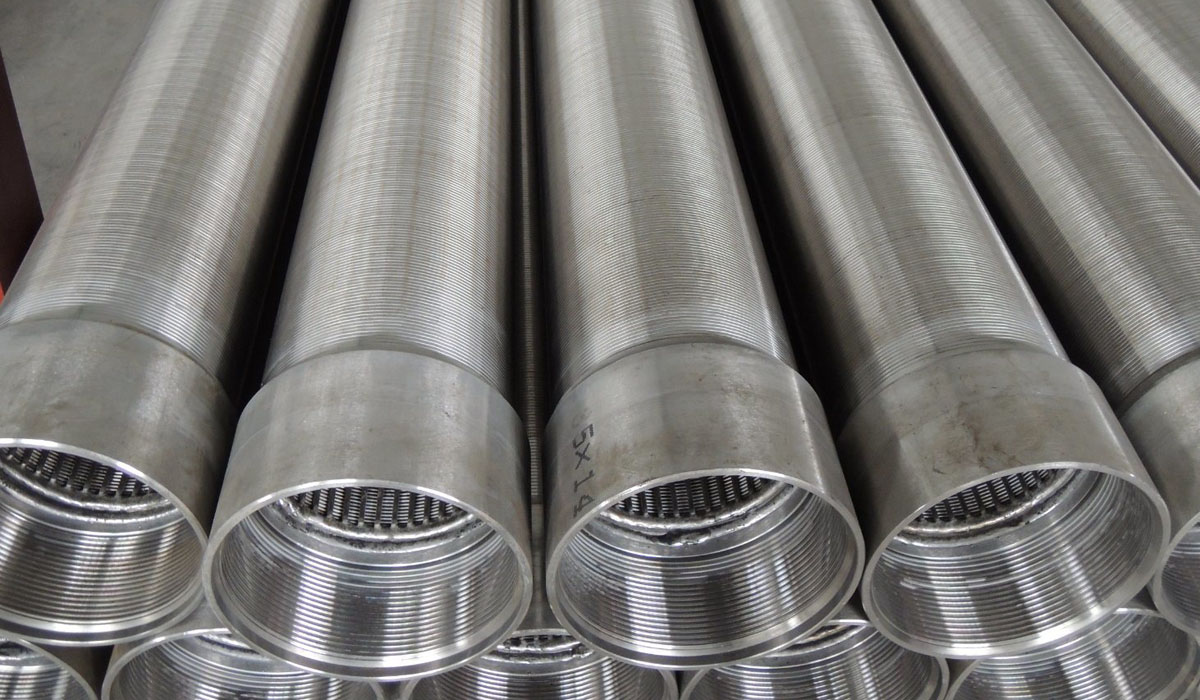
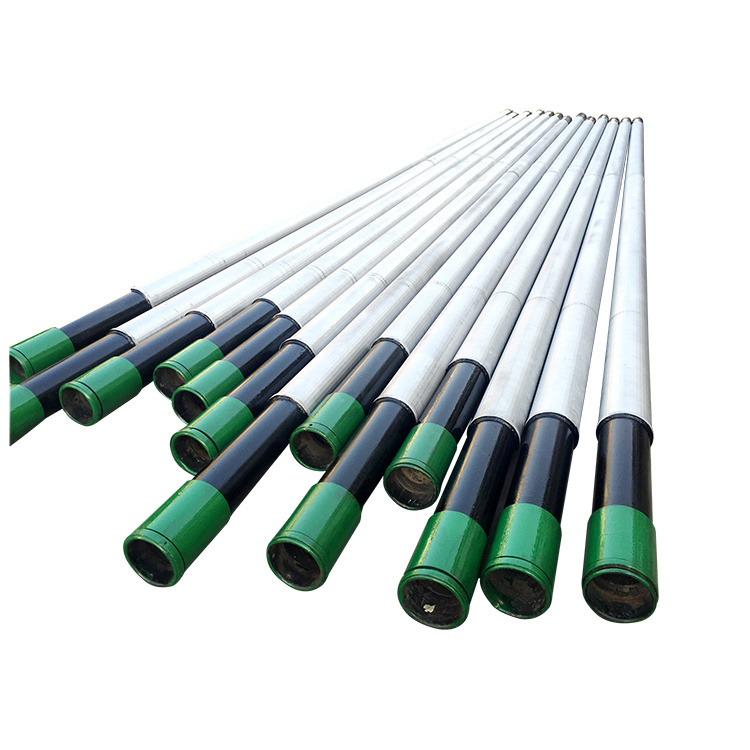
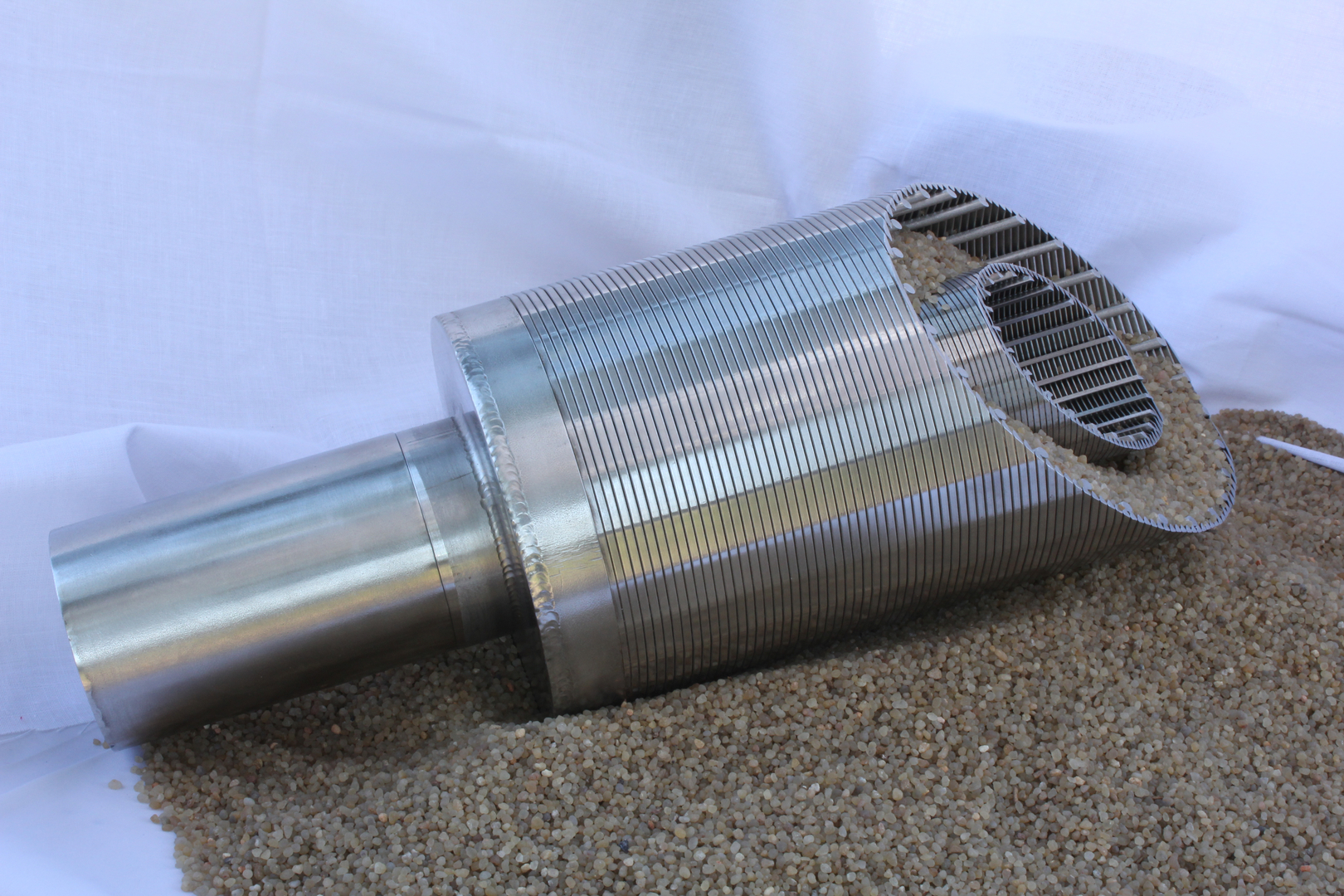
Stainless steel well screens are cylindrical or flat structures made from high-grade stainless steel, designed to filter out particulates from fluids such as water, oil, or gas. These screens are commonly used in wells, boreholes, and filtration systems to ensure that only clean fluid enters the system, thereby protecting pumps and other equipment from damage.
Key Features of Stainless Steel Well Screens
- Corrosion Resistance: Stainless steel is highly resistant to corrosion, making it ideal for use in environments where the screen will be exposed to water, chemicals, or other corrosive substances.
- Durability: Stainless steel well screens are known for their long lifespan, even in harsh conditions.
- Strength: Stainless steel provides the necessary strength to withstand the pressures of deep wells and high-flow applications.
- Low Maintenance: Due to their resistance to corrosion and wear, stainless steel well screens require minimal maintenance, reducing long-term costs.
Types of Stainless Steel Well Screens
There are several types of stainless steel well screens, each designed for specific applications and environments. Below is a table summarizing the most common types of stainless steel well screens.
| Type of Well Screen | Description | Best Used For |
|---|---|---|
| Continuous Slot Screens | Features a continuous slot opening for maximum water flow and minimal clogging. | Water wells, high-flow applications. |
| Bridge Slot Screens | Slots are bridged by small metal strips, offering a higher level of filtration. | Wells with fine sand or silt, oil and gas wells. |
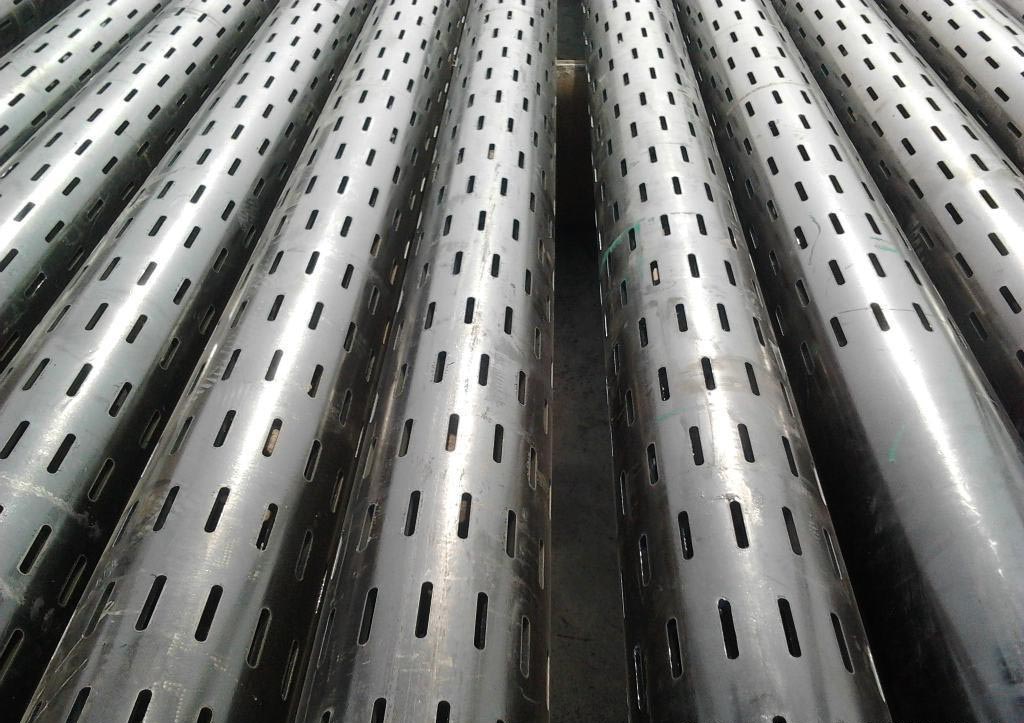
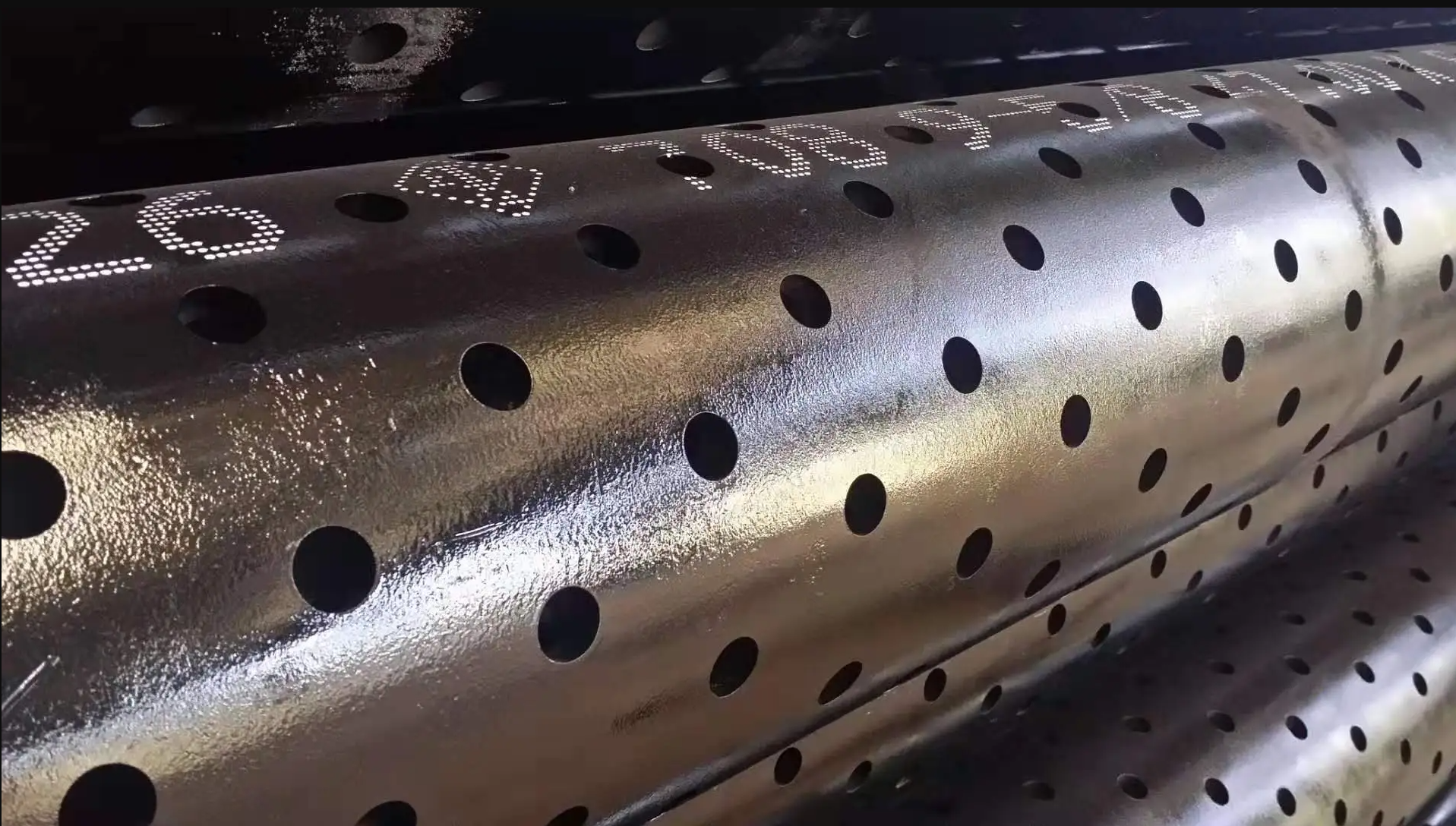
| Perforated Pipe Screens | A pipe with small perforations that allow fluid to pass while filtering debris. | Industrial filtration, oil and gas wells. |
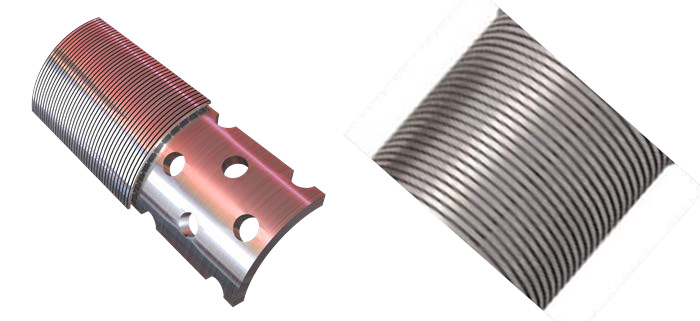
| Wedge Wire Screens | Made from V-shaped wires welded to support rods, providing durability and strength. | High-pressure environments, geothermal wells, and oil extraction. |
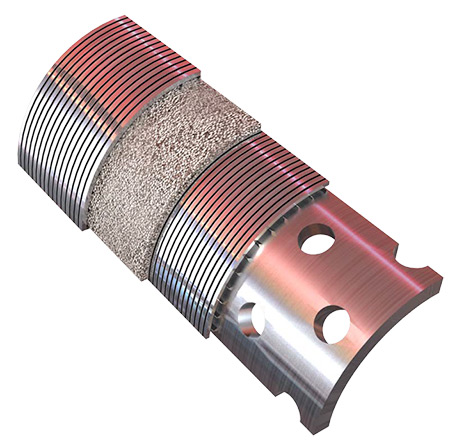
| Rod-Based Screens | Consists of rods with wire wrapped around them, providing high structural integrity. | Deep wells, high-pressure applications. |
Continuous Slot Screens
Continuous slot screens are designed with a continuous slot opening, which allows for maximum water flow while preventing sand and other particles from entering the well. These screens are ideal for high-flow applications such as water wells and are commonly used in environments where clogging is a concern.
Bridge Slot Screens
Bridge slot screens feature a series of slots that are bridged by small metal strips. This design provides a higher level of filtration compared to continuous slot screens, making them suitable for wells with fine sand or silt. They are also commonly used in oil and gas wells.
Perforated Pipe Screens
Perforated pipe screens consist of a pipe with small perforations that allow water or other fluids to pass through while filtering out larger particles. These screens are often used in industrial filtration systems and oil and gas wells.
Wedge Wire Screens
Wedge wire screens are made from V-shaped wires that are welded to support rods, creating a durable and efficient filtration system. These screens are ideal for high-pressure environments such as geothermal wells and oil extraction operations.
Rod-Based Screens
Rod-based screens consist of rods with wire wrapped around them, providing high structural integrity. These screens are commonly used in deep wells and high-pressure applications where strength and durability are critical.
Why Choose Stainless Steel for Well Screens?
Stainless steel is the material of choice for well screens due to its numerous advantages over other materials such as plastic or carbon steel. Below are some of the key reasons why stainless steel is preferred:
Advantages of Stainless Steel Well Screens
| Feature | Benefit |
|---|---|
| Corrosion Resistance | Stainless steel is highly resistant to corrosion, making it ideal for use in harsh environments where the screen will be exposed to water, chemicals, or other corrosive substances. |
| Durability | Stainless steel well screens have a long lifespan, even in challenging conditions. |
| Strength | Stainless steel provides the necessary strength to withstand the pressures of deep wells and high-flow applications. |
| Low Maintenance | Due to their resistance to corrosion and wear, stainless steel well screens require minimal maintenance, reducing long-term costs. |
| Environmental Friendliness | Stainless steel is fully recyclable, making it an environmentally friendly choice. |
Common Grades of Stainless Steel for Well Screens
Stainless steel well screens are typically made from one of two grades of stainless steel: 304 and 316. Each grade offers different levels of corrosion resistance and strength.
| Stainless Steel Grade | Corrosion Resistance | Strength | Best Used For |
|---|---|---|---|
| 304 Stainless Steel | Good | High | General water wells, industrial filtration. |
| 316 Stainless Steel | Excellent | Very High | Oil and gas wells, corrosive environments. |
304 vs. 316 Stainless Steel
- 304 Stainless Steel: This is the most common grade of stainless steel used for well screens. It offers good corrosion resistance and strength, making it suitable for general water wells and industrial filtration systems.
- 316 Stainless Steel: This grade offers superior corrosion resistance, particularly in environments where the screen will be exposed to saltwater, chemicals, or other corrosive substances. It is commonly used in oil and gas wells as well as in highly corrosive environments.
Factors to Consider When Selecting a Stainless Steel Well Screen
Choosing the right stainless steel well screen for your project is crucial to ensuring optimal performance and longevity. Below are some key factors to consider:
1. Slot Size
The slot size of the well screen determines the size of the particles that will be filtered out. It is important to choose a slot size that is small enough to filter out unwanted particles but large enough to allow for adequate water flow.
| Slot Size | Particle Size Filtered | Best Used For |
|---|---|---|
| 0.010 inch | Fine sand | Water wells with fine sand or silt. |
| 0.020 inch | Medium sand | General water wells. |
| 0.030 inch | Coarse sand | Wells with larger particulates. |
2. Screen Diameter
The diameter of the well screen should be chosen based on the size of the well or borehole. A screen that is too small may not provide sufficient filtration, while a screen that is too large may restrict water flow.
| Well Screen Diameter | Best Used For |
|---|---|
| 4 inches | Shallow wells, low-flow applications. |
| 6 inches | General water wells, moderate flow rates. |
| 8 inches | Deep wells, high-flow applications. |
3. Material Grade
As mentioned earlier, stainless steel well screens are available in different grades, each with its own level of corrosion resistance and strength. The choice of material grade should be based on the environmental conditions and the type of fluid being filtered.
4. Length of the Screen
The length of the well screen should be chosen based on the depth of the well and the volume of water or fluid that needs to be filtered. Longer screens are typically used in deeper wells or in applications where a higher flow rate is required.
5. Type of Screen
As discussed earlier, there are different types of stainless steel well screens, each suited for different applications. It is important to choose the right type of screen based on the specific needs of your project.
Applications of Stainless Steel Well Screens
Stainless steel well screens are used in a wide range of industries and applications. Below are some of the most common uses:
1. Water Wells
Stainless steel well screens are commonly used in water wells to filter out sand, gravel, and other particulates from groundwater. This ensures that only clean water enters the well, improving the efficiency of the pump and extending the life of the well.
2. Oil and Gas Wells
In the oil and gas industry, stainless steel well screens are used to filter out sand and other debris from the wellbore, preventing damage to the equipment and ensuring a steady flow of oil or gas.
3. Industrial Filtration Systems
Stainless steel well screens are also used in industrial filtration systems to filter out contaminants from liquids such as water, chemicals, and oils. These screens are designed to withstand high pressures and temperatures, making them ideal for use in harsh industrial environments.
4. Geothermal Wells
In geothermal wells, stainless steel well screens are used to filter out particulates from the hot water or steam that is extracted from the earth. This helps to protect the equipment and ensure a steady flow of geothermal energy.
5. Environmental Monitoring Wells
Stainless steel well screens are used in environmental monitoring wells to filter out contaminants from groundwater, allowing for accurate sampling and analysis.
Design Considerations for Stainless Steel Well Screens
The design of a stainless steel well screen is critical to its performance and longevity. Below are some key design considerations:
1. Slot Configuration
The configuration of the slots in the well screen plays a key role in determining the flow rate and filtration efficiency. Continuous slot screens, for example, provide a higher flow rate than bridge slot screens, but may not be as effective at filtering out fine particles.
2. Wire and Rod Diameter
The diameter of the wires and rods used in the construction of the well screen affects its strength and durability. Thicker wires and rods provide greater strength, but may reduce the flow rate.
3. Welding Technique
The welding technique used to construct the well screen is also important. High-quality welding ensures that the screen is strong and durable, while poor welding can lead to weak points that may fail under pressure.
4. End Fittings
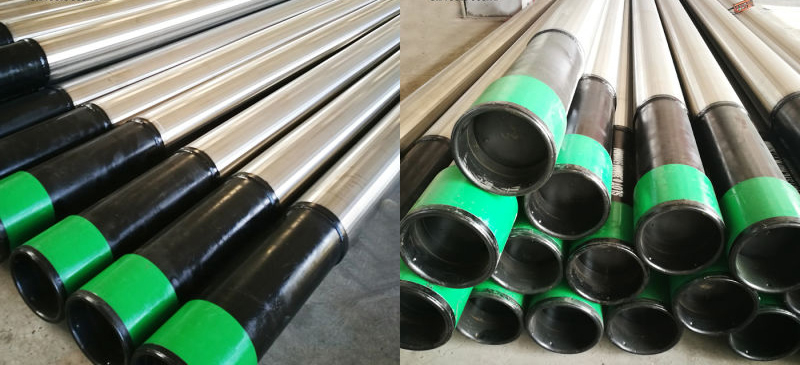
The end fittings of the well screen should be chosen based on the specific requirements of the application. Common end fittings include threaded ends, flanged ends, and plain ends.
Maintenance and Care of Stainless Steel Well Screens
While stainless steel well screens are known for their durability and low maintenance requirements, regular care is still important to ensure optimal performance. Below are some tips for maintaining your well screen:
- Regular Cleaning: Periodically clean the well screen to remove any buildup of sand, gravel, or other debris.
- Inspect for Damage: Regularly inspect the well screen for any signs of damage, such as cracks or corrosion.
- Replace When Necessary: If the well screen becomes damaged or worn, it should be replaced to ensure continued performance.
FAQ
1. What is the lifespan of a stainless steel well screen?
The lifespan of a stainless steel well screen can vary depending on the environmental conditions and the quality of the screen. However, most stainless steel well screens can last for 20 years or more with proper maintenance.
2. Can stainless steel well screens be used in corrosive environments?
Yes, stainless steel well screens are highly resistant to corrosion and can be used in environments where the screen will be exposed to water, chemicals, or other corrosive substances.
3. How do I choose the right slot size for my well screen?
The slot size of the well screen should be chosen based on the size of the particles that need to be filtered out. It is important to choose a slot size that is small enough to filter out unwanted particles but large enough to allow for adequate water flow.
4. What is the difference between continuous slot screens and bridge slot screens?
Continuous slot screens have a continuous slot opening that allows for maximum water flow, while bridge slot screens feature a series of slots that are bridged by small metal strips, providing a higher level of filtration.
5. How often should I clean my stainless steel well screen?
The frequency of cleaning depends on the conditions of the well and the amount of debris that accumulates. In general, it is a good idea to clean the well screen at least once a year to ensure optimal performance.