Pipe Piling: Foundation Magic for Construction Mastery
Introduction
In the realm of construction, laying a solid foundation is paramount to ensuring the stability and longevity of any structure. Pipe piling has emerged as a transformative technique, offering unparalleled support and adaptability for various construction projects. This article delves into the magic of pipe piling, exploring its applications, benefits, and the reasons it has become a cornerstone of construction mastery.
Understanding Pipe Piling
What is Pipe Piling?
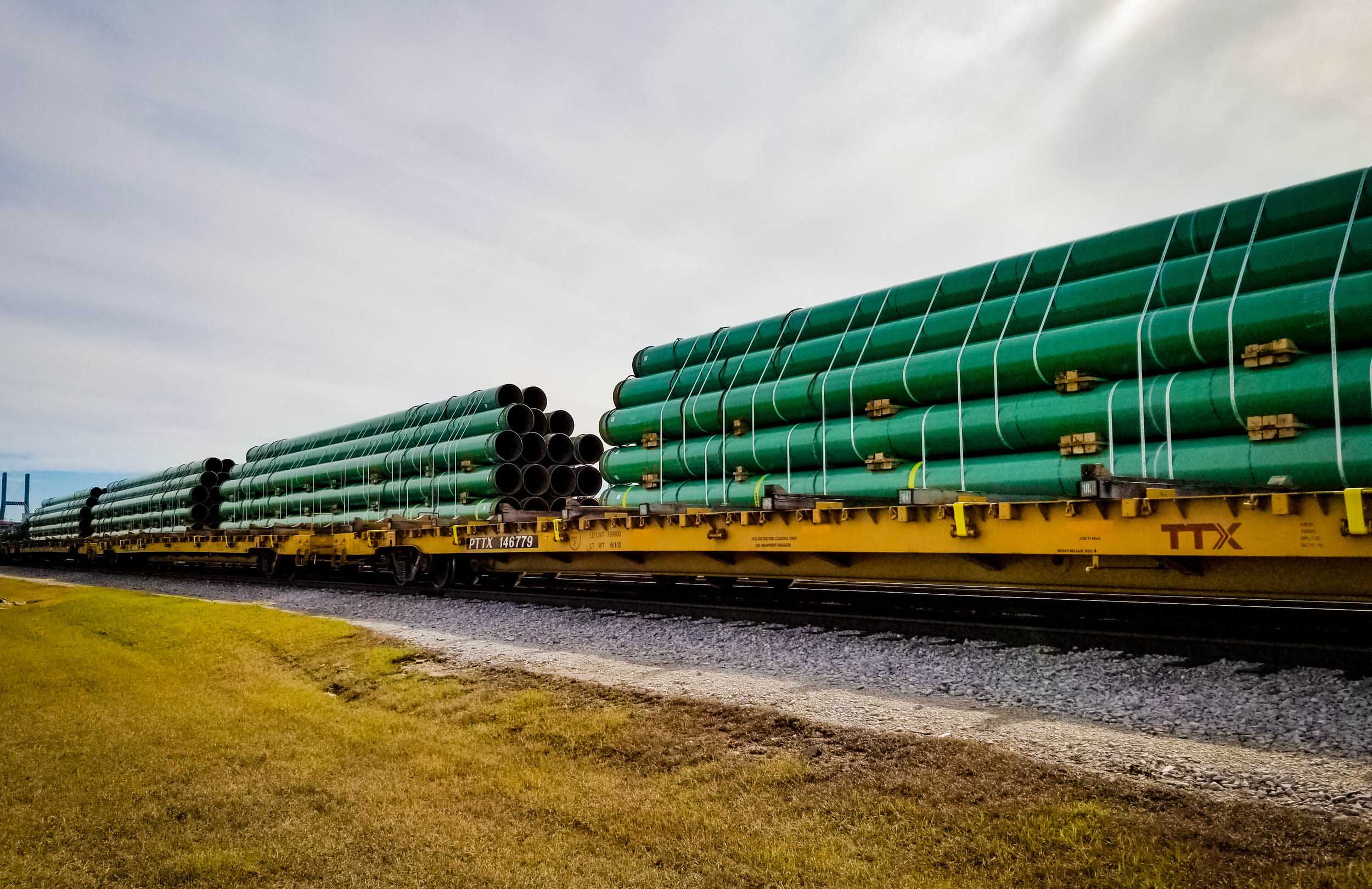
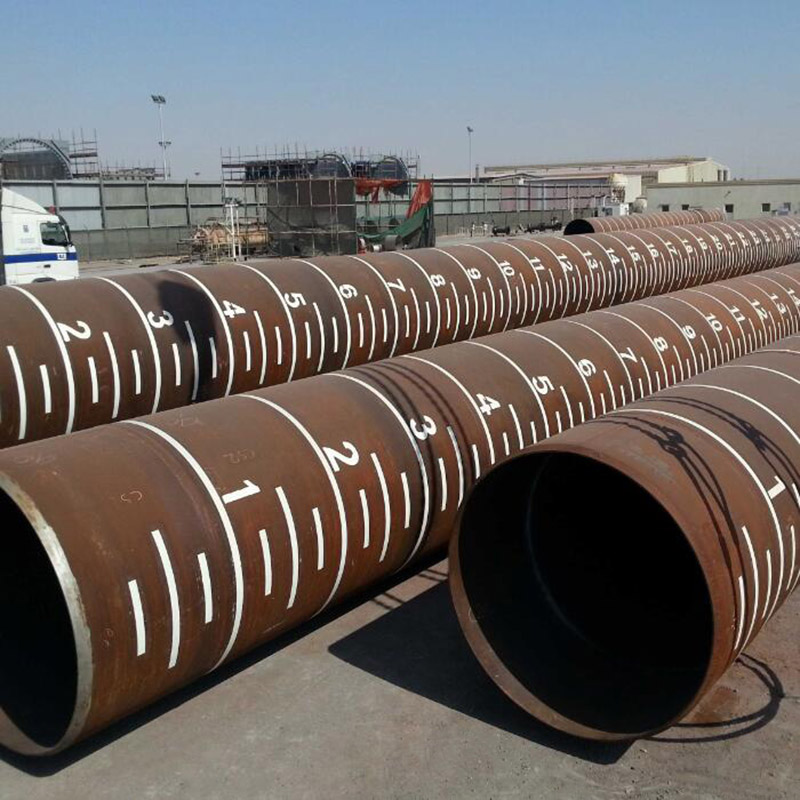
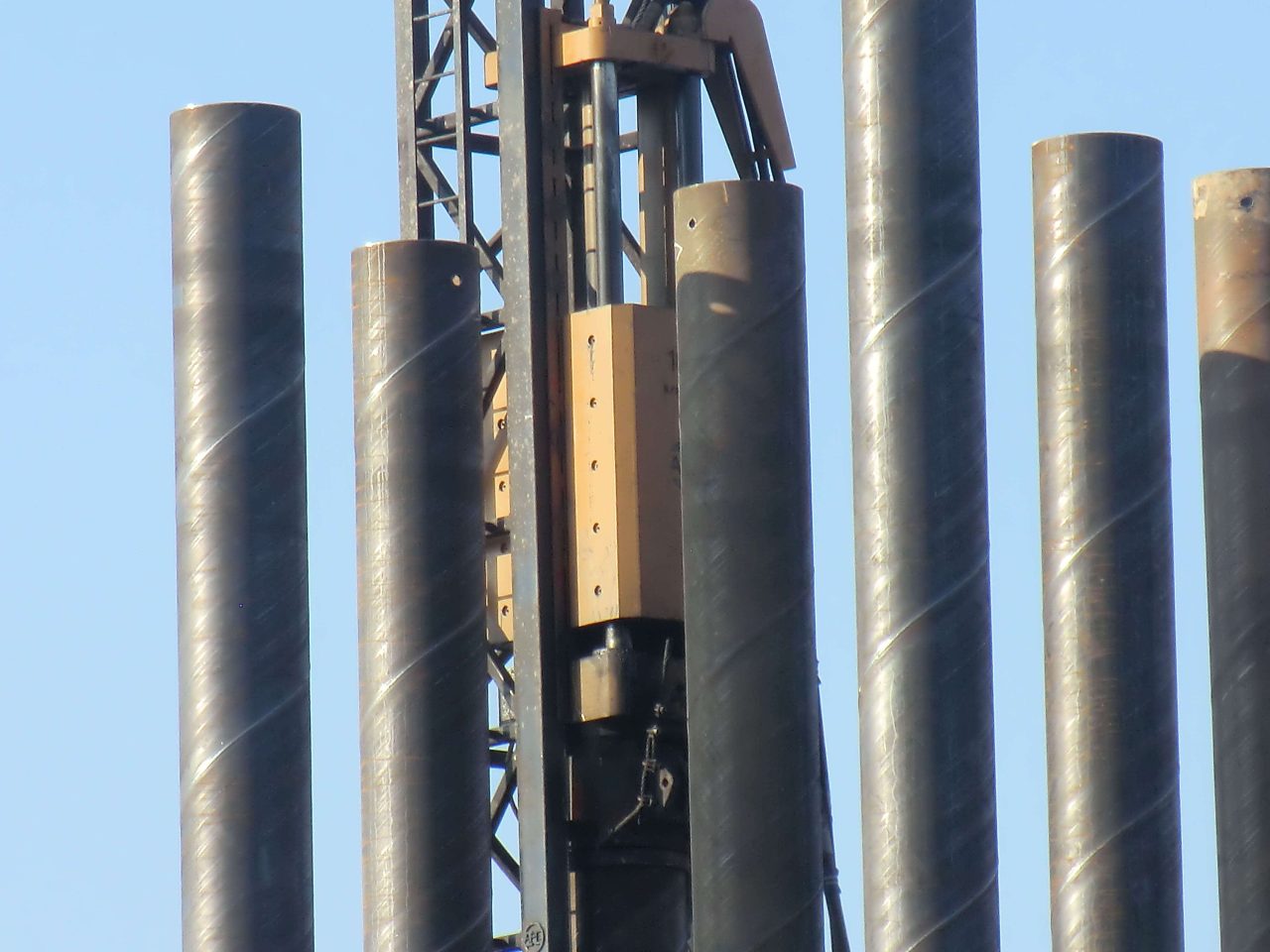
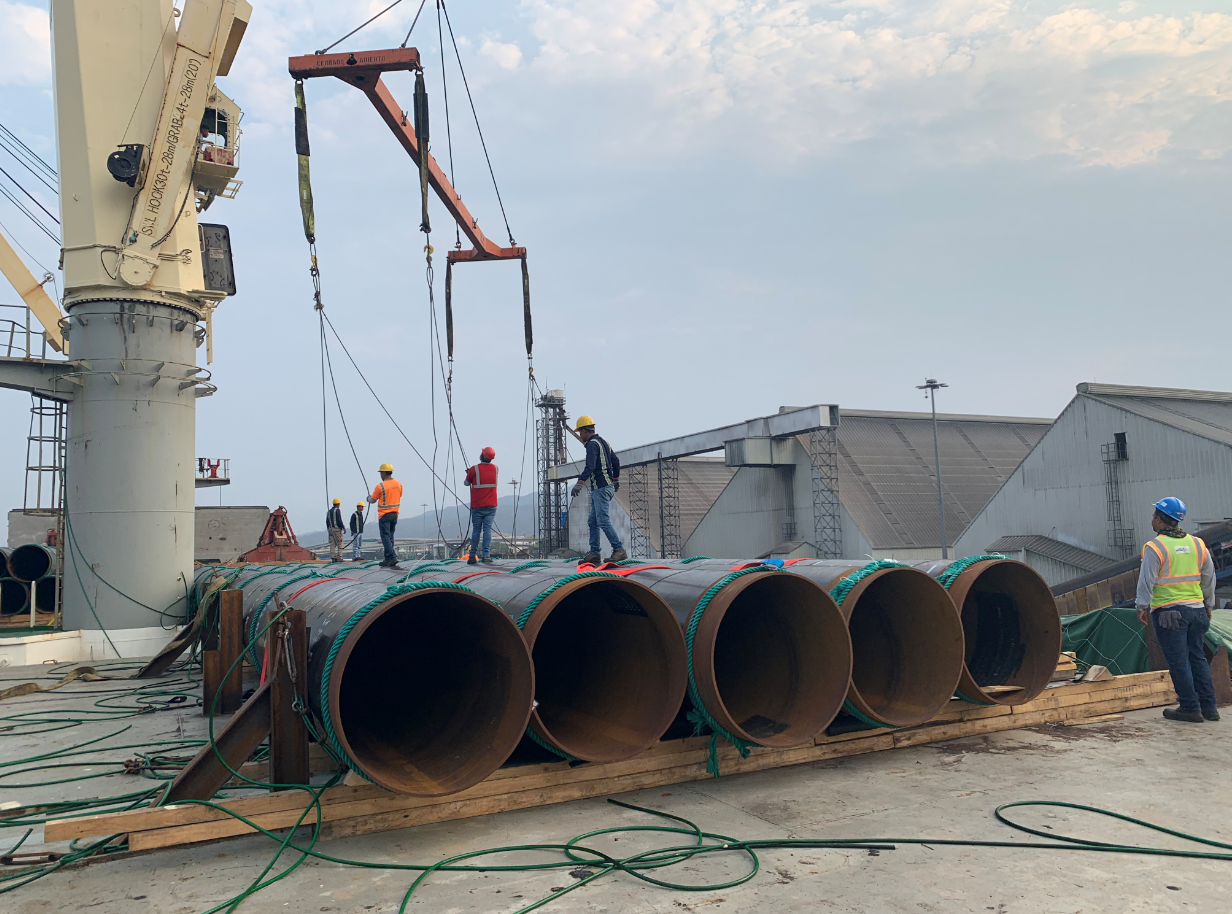
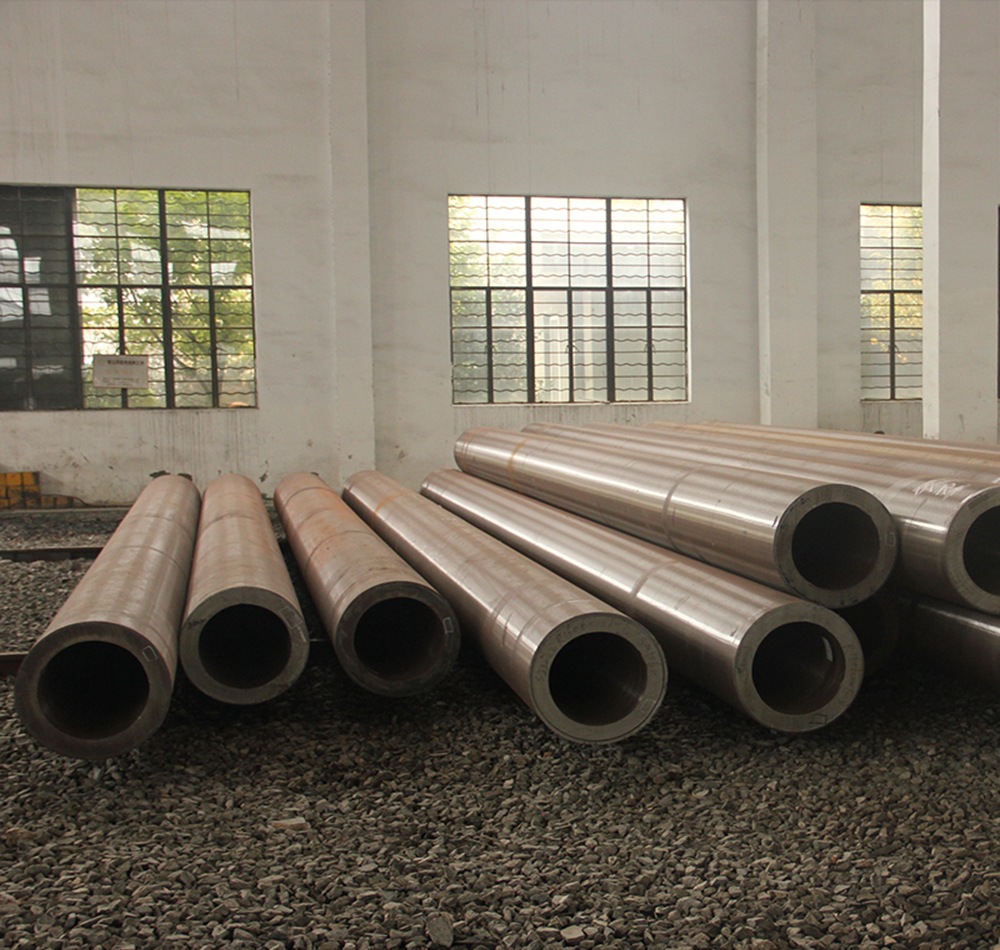
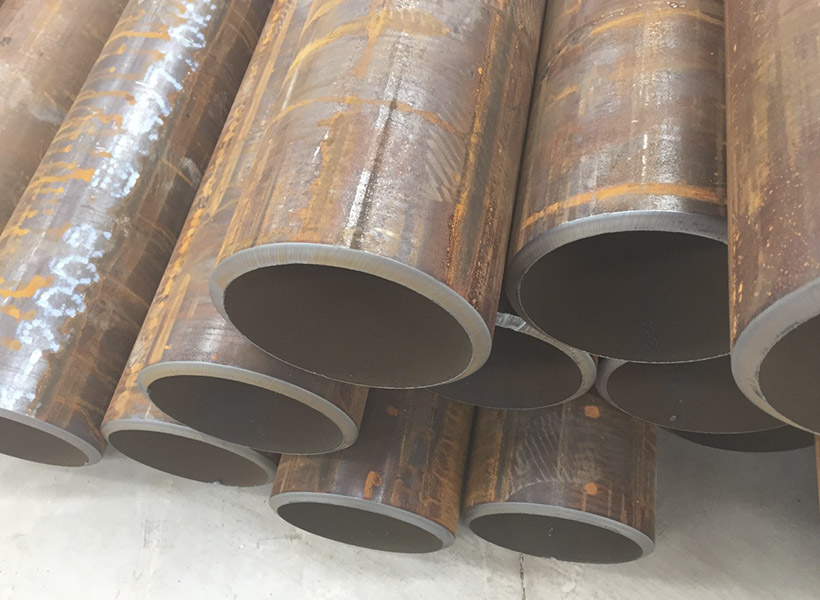
Pipe piling involves driving steel pipes into the ground to create a stable foundation for structures. These pipes, known as piles, are designed to transfer the load of the structure to deeper, more stable soil layers or bedrock. This technique is particularly effective in challenging soil conditions where traditional foundations may not suffice.
Types of Pipe Piling
- Open-Ended Pipe Piling: These piles allow soil to enter the pipe during installation, providing additional friction and support.
- Closed-Ended Pipe Piling: Fitted with a cap or shoe, these piles prevent soil entry, relying on end-bearing capacity for support.
- Screw Piling: Equipped with helical blades, these piles are screwed into the ground, offering enhanced stability and load-bearing capacity.
Applications of Pipe Piling
Building Foundations
Pipe piling is widely used in constructing foundations for residential, commercial, and industrial buildings. Its ability to provide deep support makes it ideal for high-rise structures and projects on unstable soil.
Bridges and Overpasses
In bridge and overpass construction, pipe piling offers the necessary support to withstand dynamic loads and environmental factors. It ensures the stability and safety of these critical infrastructure elements.
Marine Structures
Pipe piling is essential for marine structures such as docks, piers, and offshore platforms. Its resistance to corrosion and ability to withstand water currents make it a reliable choice for marine applications.
Retaining Walls
Pipe piling is used in constructing retaining walls, providing lateral support and preventing soil erosion. This application is crucial in areas with steep terrain or unstable slopes.
Benefits of Pipe Piling
Superior Load-Bearing Capacity
Pipe piling offers exceptional load-bearing capacity, making it suitable for supporting heavy structures and withstanding dynamic forces such as wind and seismic activity.
Versatility and Adaptability
The versatility of pipe piling allows it to be used in various soil conditions and environments. It can be customized to meet the specific needs of each project, ensuring optimal performance.
Quick and Efficient Installation
Pipe piling can be installed quickly and efficiently, reducing construction time and minimizing disruption to the surrounding area. This makes it a cost-effective solution for many projects.
Environmental Considerations
Pipe piling has a lower environmental impact compared to traditional foundation methods. It requires less excavation and soil displacement, preserving the natural landscape and reducing waste.
The Magic of Pipe Piling in Construction Mastery
Enhancing Structural Integrity
By providing deep and stable support, pipe piling enhances the structural integrity of buildings and infrastructure. This ensures the safety and longevity of the constructed assets.
Overcoming Challenging Conditions
Pipe piling enables construction in challenging soil conditions, such as soft clay, loose sand, or waterlogged areas. It provides a reliable foundation solution where other methods may fail.
Supporting Innovation and Growth
As construction projects become more ambitious and complex, pipe piling supports innovation and growth by offering a foundation solution that can adapt to evolving needs and technologies.
Conclusion
Pipe piling is a magical foundation technique that has revolutionized the construction industry. Its ability to provide superior support, adaptability, and efficiency makes it an essential tool for construction mastery. As the demand for robust and reliable foundations continues to grow, pipe piling will remain a key player in shaping the future of construction.
FAQ
1. What is pipe piling used for in construction?
Pipe piling is used to create stable foundations for buildings, bridges, marine structures, and retaining walls, providing deep support and load-bearing capacity.
2. What are the different types of pipe piling?
The different types include open-ended pipe piling, closed-ended pipe piling, and screw piling, each offering unique benefits and applications.
3. Why is pipe piling preferred in challenging soil conditions?
Pipe piling provides reliable support in challenging soil conditions by transferring the load to deeper, more stable layers, ensuring structural integrity.
4. How does pipe piling benefit the environment?
Pipe piling has a lower environmental impact due to reduced excavation and soil displacement, preserving the natural landscape and minimizing waste.
5. How does pipe piling support construction innovation?
Pipe piling supports construction innovation by offering a versatile and adaptable foundation solution that meets the evolving needs and technologies of modern projects.