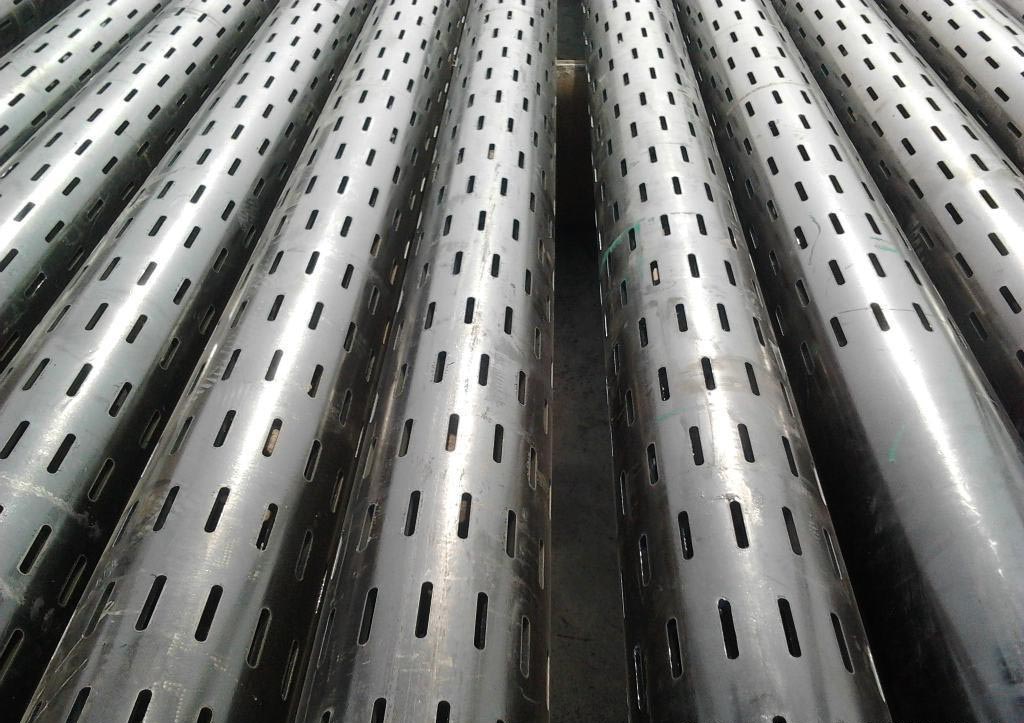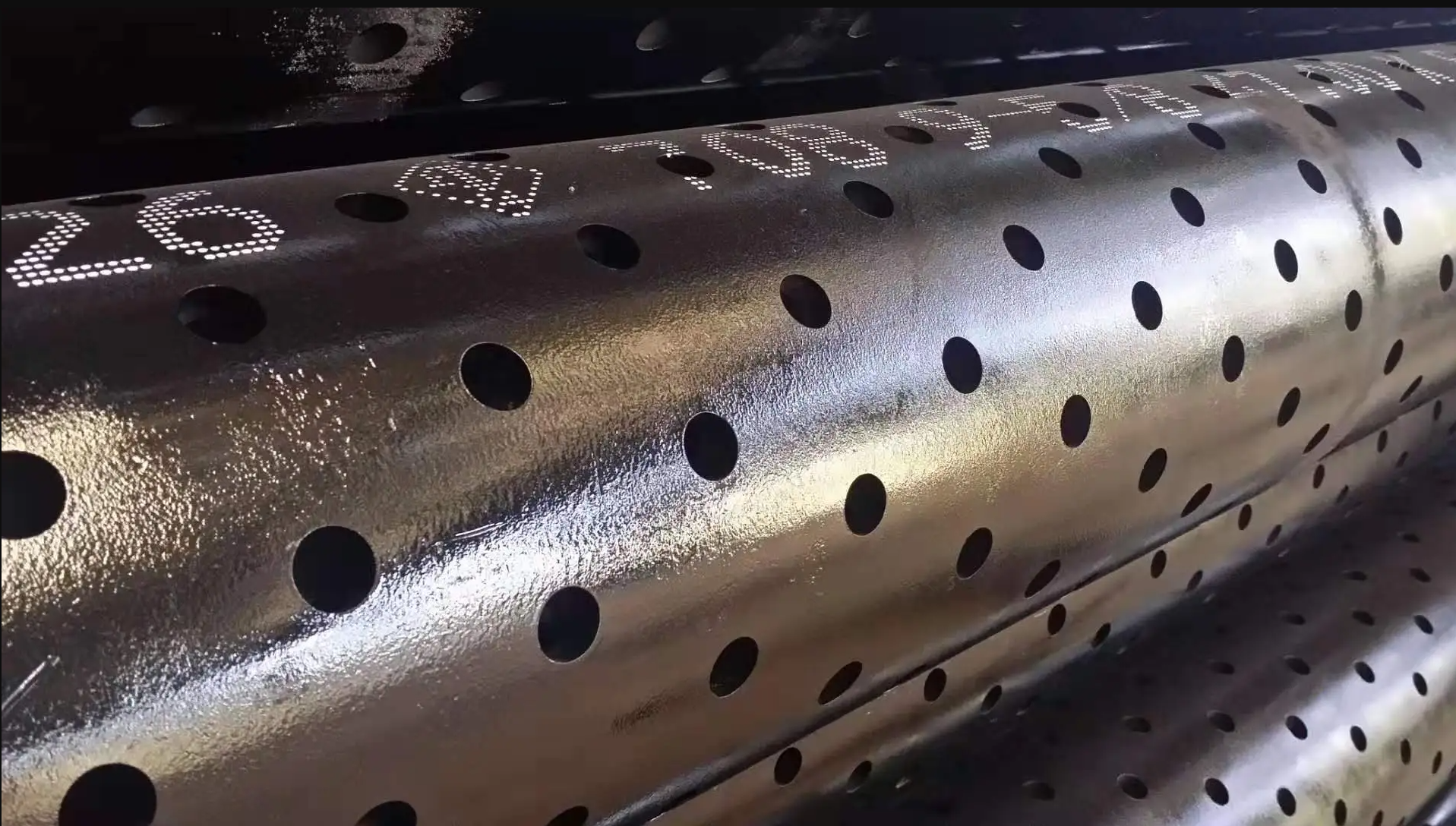
Well Screen Supply: Wedge Wire Screens for Sand Control in Water Wells
1. Introduction to Wedge Wire Screens for Water Wells
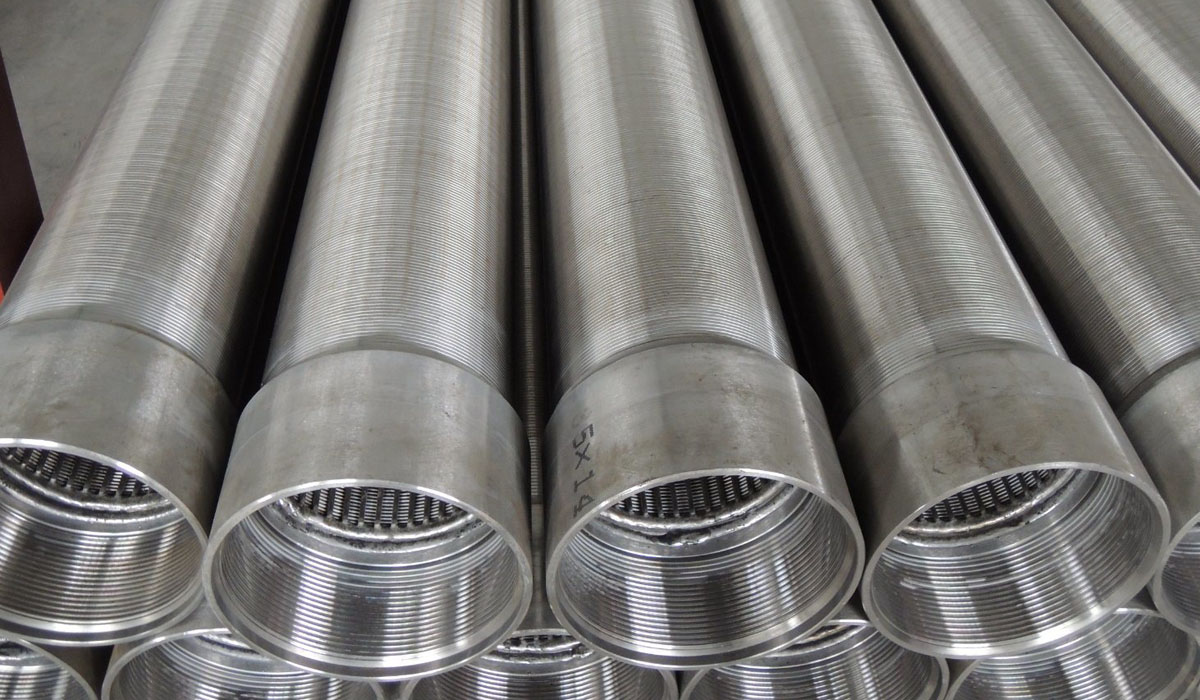
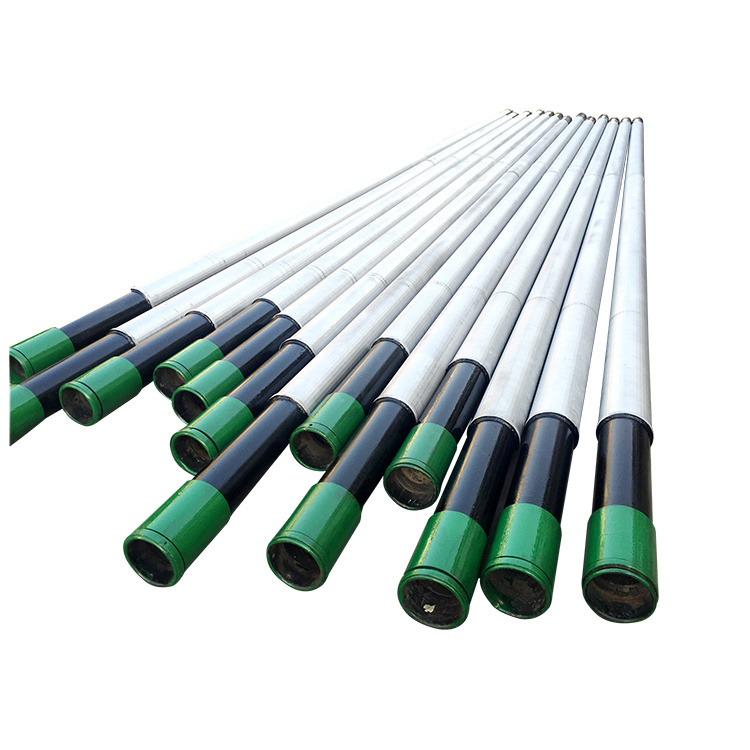
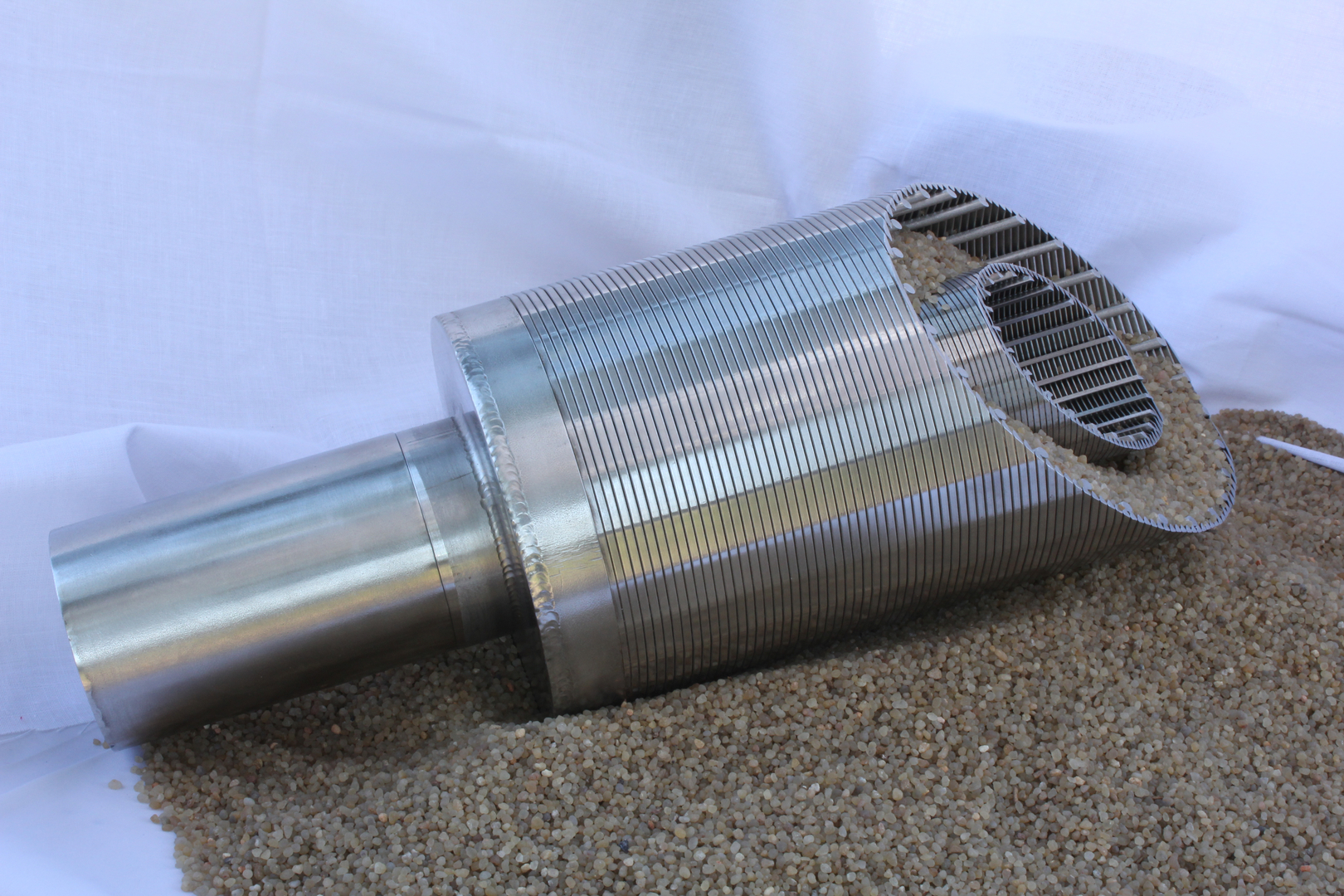
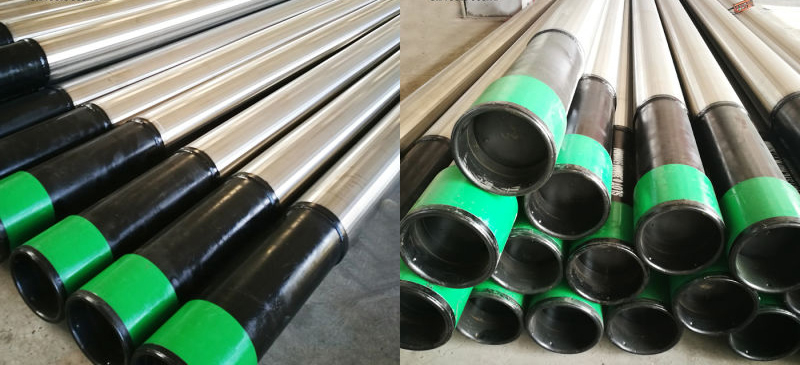
Wedge wire screens, commonly used in water well construction, are critical for sand control applications. These screens are designed to prevent fine particles like sand from entering the well while permitting the flow of groundwater. The wedge wire is fabricated in a way that offers both structural strength and the ability to filter water efficiently.
- Application: These screens are widely used in water wells, oil and gas production wells, and geothermal wells, among others. Their primary purpose is to filter out sand and debris that could clog the well and damage pumps, filters, or other equipment.
- Materials: Typically made from stainless steel, wedge wire screens offer high resistance to corrosion, wear, and harsh environmental conditions.
2. Types of Well Screens
There are several types of well screens, each designed for specific applications. The wedge wire screen used for sand control in water wells is one of the most common types due to its durability and filtration efficiency.
2.1. Wedge Wire Screens for Sand Control
Wedge wire screens are made by winding triangular-shaped wire around longitudinal rods. The design forms a series of slots that allow water to flow through while preventing sand or other particulate matter from entering the well. The slots are adjustable, depending on the grain size of the sand or debris to be filtered.
- Slot Sizes: The slot size is critical for determining how fine the sand or particles can be that will pass through. The screens are designed to meet specific requirements for each application.
- Strength: Wedge wire screens offer excellent strength, ensuring they can withstand the pressure and environmental conditions inside a well.
- Corrosion Resistance: Stainless steel materials are often used for their resistance to corrosion and ability to withstand prolonged exposure to water and other natural elements.
2.2. Continuous Slot Well Screens
This type of wedge wire screen is designed with continuous slots that allow the free flow of water into the well while keeping sand and gravel out. Continuous slot well screens are often used in high-flow wells and have proven to be an effective option for sand control.
2.3. Johnson Screens
Johnson Screens is a brand name often associated with wedge wire screens. Known for their reliability and efficiency, Johnson Screens are widely used in water wells and other filtration systems.
3. Chemical Composition of Wedge Wire Screens for Water Wells
The most commonly used material for wedge wire screens is stainless steel, which offers excellent corrosion resistance, particularly in groundwater environments. The alloy composition of stainless steel provides a combination of strength, durability, and resistance to scaling and corrosion.
Table 1: Chemical Composition of Stainless Steel (Used in Wedge Wire Screens)
| Element | Percentage (%) |
|---|---|
| Nickel (Ni) | 8.0 – 12.0 |
| Chromium (Cr) | 16.0 – 18.0 |
| Molybdenum (Mo) | 2.0 – 3.0 |
| Iron (Fe) | Balance |
| Carbon (C) | 0.08 max |
| Manganese (Mn) | 1.0 – 2.0 |
| Silicon (Si) | 1.0 max |
| Phosphorus (P) | 0.04 max |
| Sulfur (S) | 0.03 max |
The presence of chromium gives the screen its resistance to oxidation and corrosion, which is particularly important for water well applications where long-term exposure to moisture and minerals is common. Molybdenum enhances resistance to pitting and crevice corrosion, and nickel improves the alloy’s resistance to rust and scaling.
4. Mechanical Properties of Wedge Wire Screens
The mechanical properties of wedge wire screens are designed to withstand the harsh conditions inside water wells, including high-pressure environments and corrosive groundwater.
4.1. Tensile Strength
Wedge wire screens made from stainless steel typically have high tensile strength, ensuring that the screen does not deform under pressure.
- Typical Tensile Strength: 550 MPa (80,000 psi)
4.2. Yield Strength
The yield strength of wedge wire screens is important in maintaining their structural integrity under high-pressure conditions.
- Typical Yield Strength: 250 MPa (36,250 psi)
4.3. Elongation
Elongation measures the material’s ability to stretch before it breaks. A higher elongation means the material can withstand more stress before failure.
- Typical Elongation: 30% minimum
4.4. Hardness
The hardness of wedge wire screens is important for maintaining resistance to wear and tear from sand and other abrasive particles.
- Typical Hardness: 200 – 250 HV (Vickers Hardness)
4.5. Corrosion Resistance
The corrosion resistance of wedge wire screens is one of their most critical properties, as they are constantly exposed to groundwater, minerals, and other elements that may cause rust or degradation.
- Corrosion Resistance: Excellent, particularly when made from 304 or 316 stainless steel alloys.
5. Dimensions and Specifications of Wedge Wire Screens
Wedge wire screens are available in various sizes and configurations, tailored to the specific requirements of the well. They can be designed with different slot sizes, lengths, and diameters based on the application.
5.1. Common Dimensions
- Diameter: 4″ to 48″ (100mm to 1200mm)
- Slot Size: 0.05 mm to 3 mm (depending on the sand grain size and filtration requirements)
- Length: Custom lengths, typically 10 to 30 feet (3 to 9 meters) for well screens
5.2. Slot Size and Flow Efficiency
The slot size is critical for controlling the amount of sand or debris allowed into the well. The right size will allow optimal water flow while keeping sand and sediment out. For example, smaller slots (around 0.05mm) are used for finer sands, while larger slots (1-3 mm) are used for coarser sands.
Table 2: Wedge Wire Screen Slot Size Options
| Slot Size (mm) | Particle Size (mm) | Application |
|---|---|---|
| 0.05 | Fine sand | High-precision filtration |
| 0.10 | Coarse sand | Standard sand control |
| 0.30 | Gravel | Heavy-duty sand control |
| 1.00 | Gravel, small rocks | Large particle filtration |
6. Benefits of Wedge Wire Screens for Sand Control
- Efficient Filtration: Wedge wire screens provide efficient filtration with high flow capacity, preventing sand or debris from entering the well while allowing water to flow freely.
- Durability: Made from corrosion-resistant stainless steel, these screens have a long lifespan, even in harsh groundwater conditions.
- Reduced Clogging: The unique design of wedge wire screens minimizes the chances of clogging compared to traditional slotted pipe screens.
- Easy Maintenance: Wedge wire screens are easy to clean, ensuring consistent performance over time.
- Customizable: Available in various slot sizes and configurations, wedge wire screens can be tailored to suit specific well and sand control requirements.
7. Applications of Wedge Wire Screens in Water Wells
Wedge wire screens are widely used in water well construction and sand control in various applications, including:
- Municipal Water Wells: For extracting groundwater for drinking water and irrigation.
- Agricultural Wells: For agricultural irrigation systems, ensuring sand-free water extraction.
- Industrial Wells: Used in mining, geothermal energy extraction, and oil & gas applications.
- Desalination Plants: For removing sand and debris from seawater intake systems.