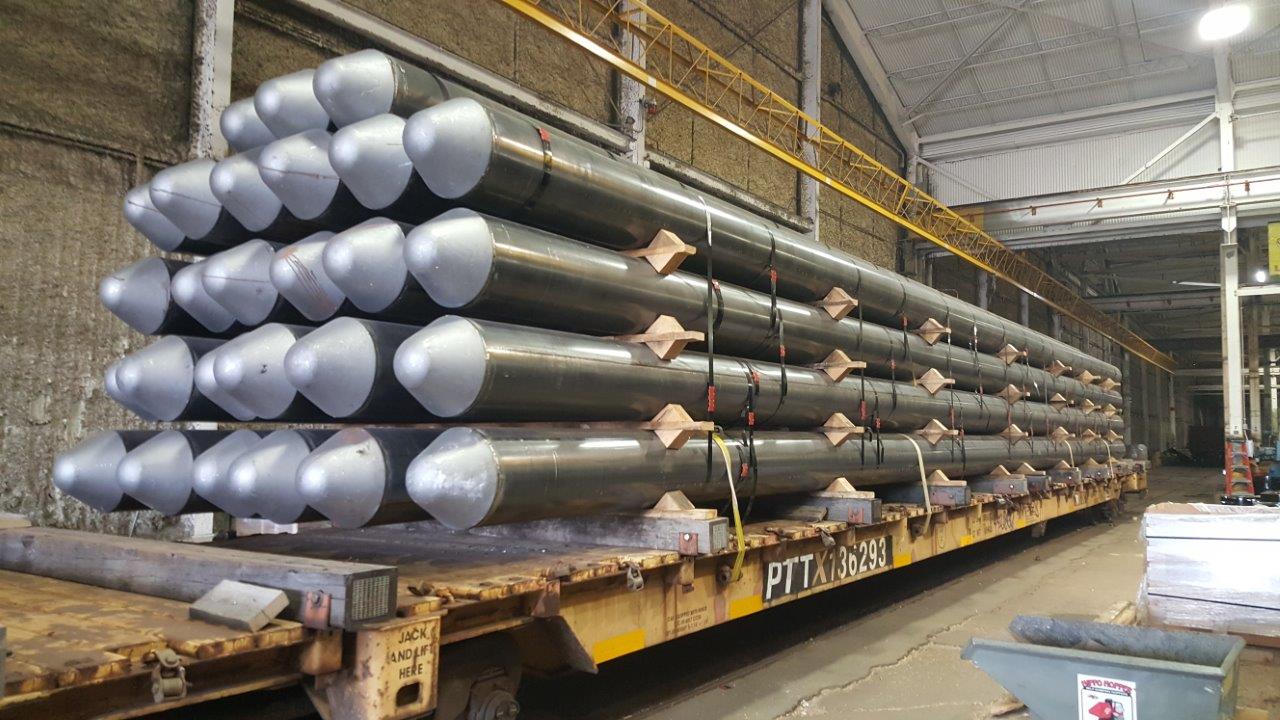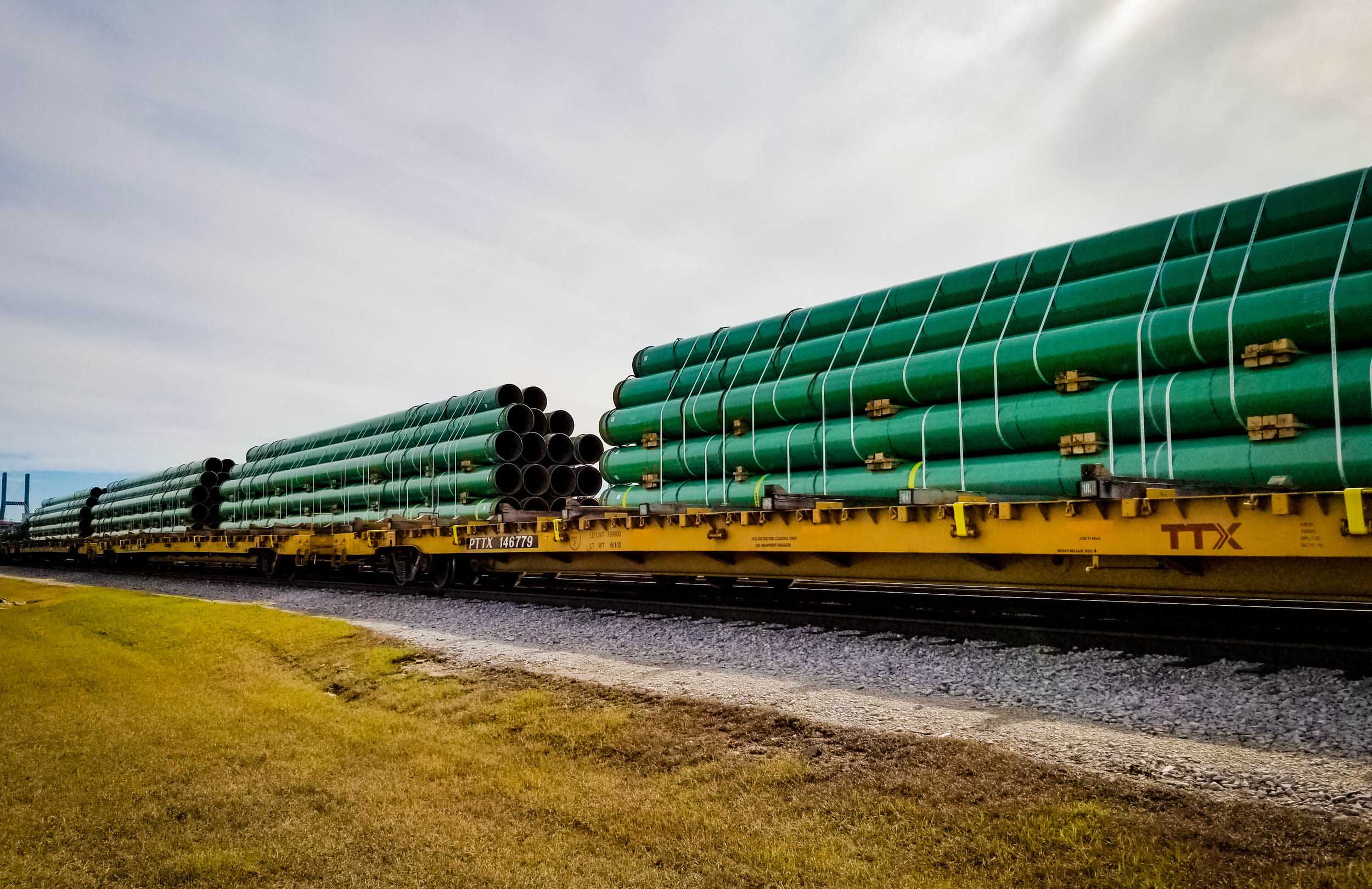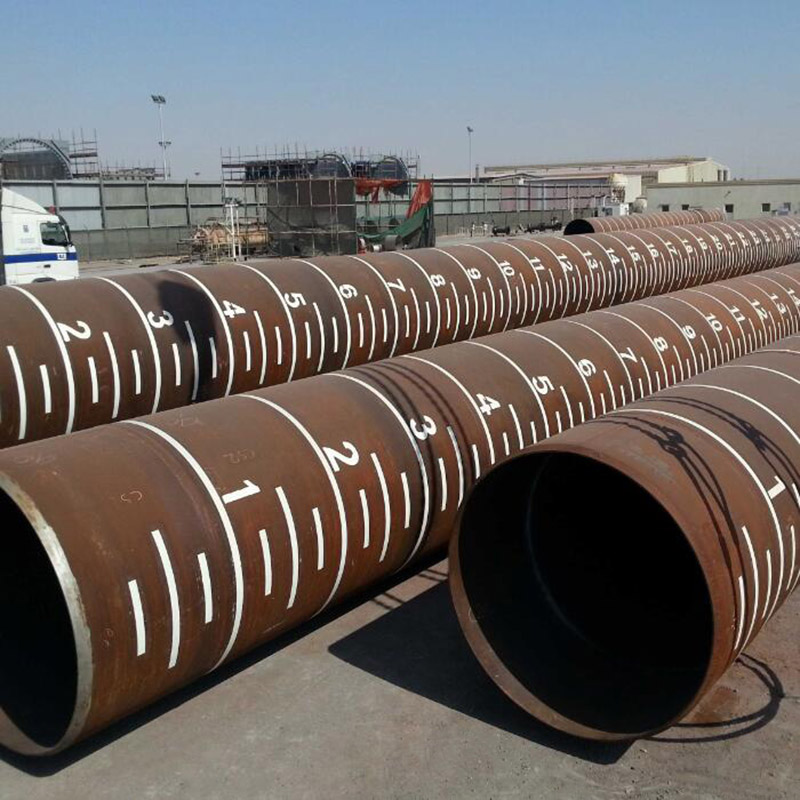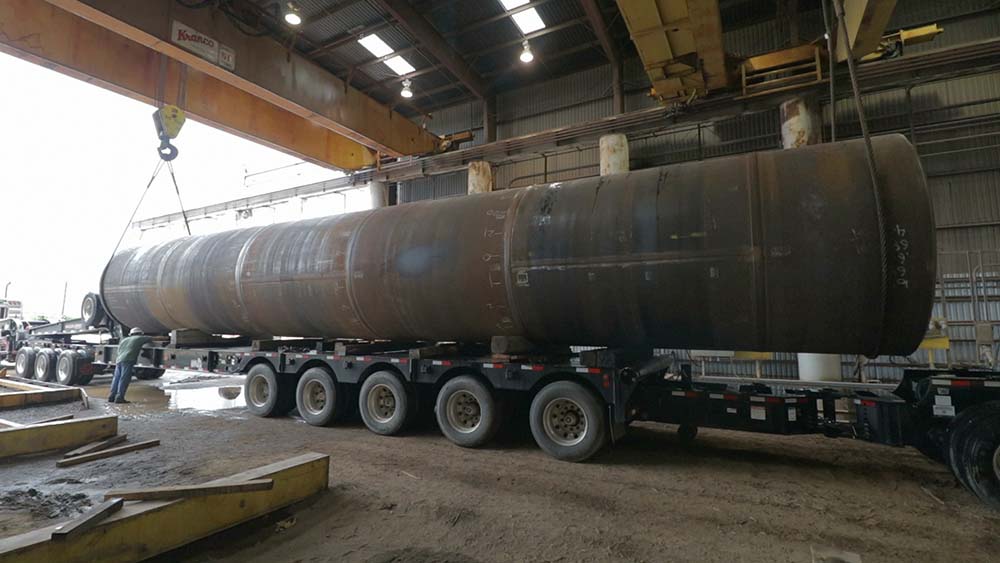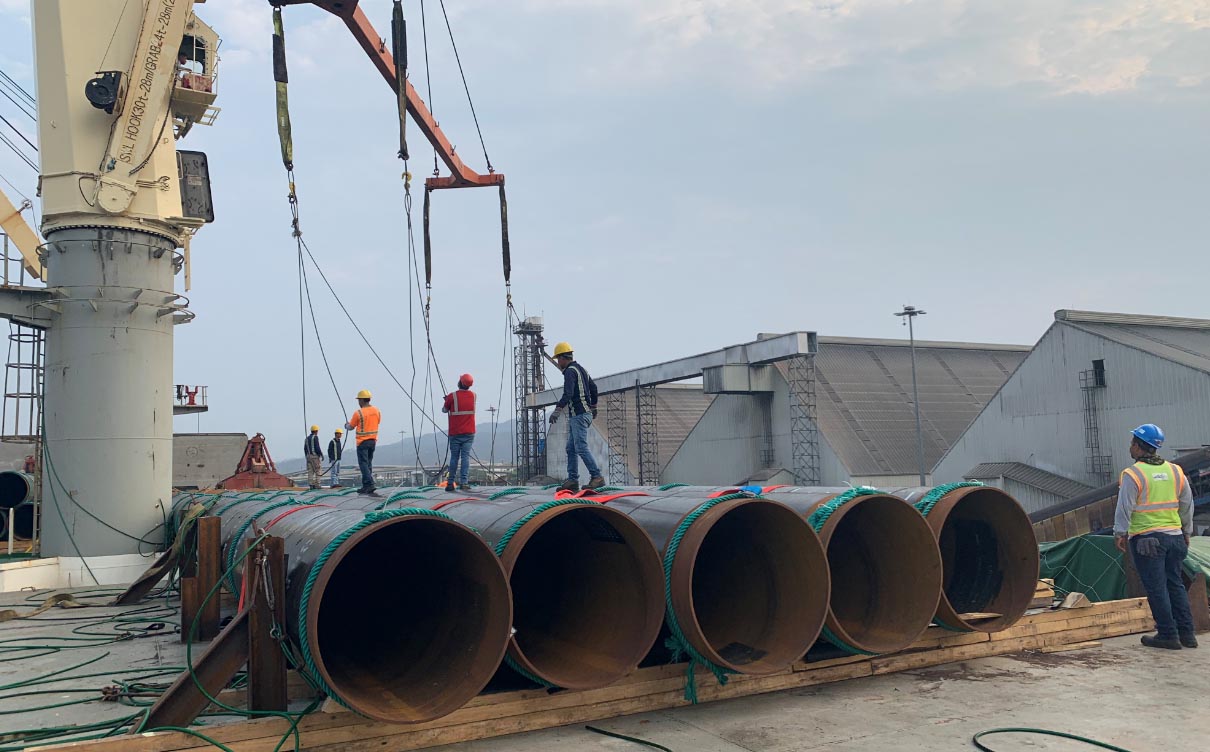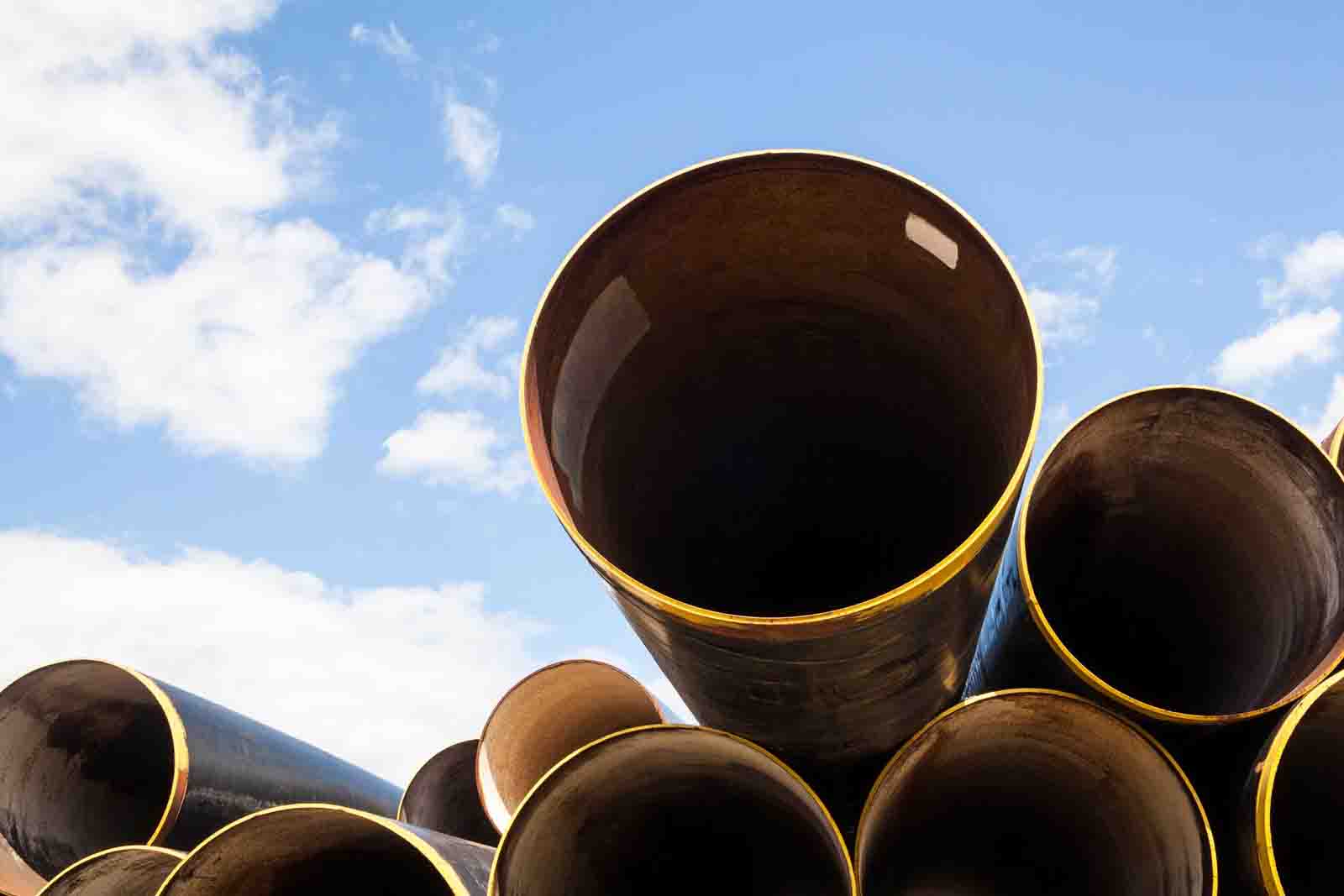
The designation itself, API 5L, represents a historical lineage of material development primarily intended for pipeline transportation systems—carrying oil, gas, and refined products across vast distances and challenging terrains. Yet, the robustness and well-defined properties inherent in the standard have naturally extended its dominion into structural engineering, particularly where high-yield strength, reliable weldability, and guaranteed minimum toughness are paramount. The $\text{X52}$ component of the designation is the beating heart of its structural appeal, quantifying a minimum specified Yield Strength ($S_y$) of 52,000 pounds per square inch (psi), or approximately 358 megapascals (MPa). This specific strength level is often considered an engineering sweet spot; it provides significant load-bearing capacity, reducing the required wall thickness (and thus weight and material cost) compared to lower grades like Grade B or X42, while simultaneously retaining excellent ductility and, crucially, avoiding the more complex welding and fabrication requirements that often accompany ultra-high-strength steel grades like X70 or X80. The material’s ductility, a measure of its ability to deform plastically before fracture, is a non-negotiable factor in piling, where the pipe must withstand not only static compressive and tensile loads but also the dynamic, punishing stresses induced during the driving or vibratory installation process, which can introduce localized yielding, bending moments, and complex strain regimes that must be absorbed without catastrophic brittle failure.
Technical Analysis: Specifications, Properties, and Requirements of API 5L X52 Steel Pipe for Pile Piping Applications
Following the in-depth discussion on the superior structural performance of $\text{API 5L X52}$ steel pipe and its complex stress behavior in piling applications, it is necessary to turn our attention to the precise specifications and quality assurance parameters that define this material. These formalized requirements ensure the consistency and reliability of $\text{X52}$ steel in terms of chemical composition, mechanical properties, and geometric dimensions, enabling it to meet the high-stakes, long-life demands of deep foundation engineering. The table below details the key technical indicators for $\text{API 5L X52}$ steel pipe, which typically requires the PSL2 grade to satisfy the rigorous standards of piling applications.
| Category | Technical Specification | Detailed Requirements | Technical Significance |
| Material Grade | API 5L Grade X52 (or $\text{L360}$) | $\text{PSL2}$ Product Specification Level 2 | Guarantees minimum yield strength plus additional toughness, chemical composition, and $\text{NDT}$ requirements for critical structural piles. |
| Dimensions/Size Range | Outside Diameter ($\text{OD}$) Range | Typically $\text{DN 400}$ (approx. 16 inches) up to $\text{DN 1500}$ (approx. 60 inches) and larger. | Suitable for large-diameter, high-capacity foundation piles, offering a wide size range and high customizability. |
| Wall Thickness ($\text{WT}$) Range | Commonly $\text{Sch 40}$ to $\text{Sch 160}$ or custom thicknesses; generally $> 8.0 \text{ mm}$. | Meets requirements for structural capacity, local buckling control ($\text{D/t}$ ratio), and corrosion allowance. | |
| Governing Standard | API Specification 5L | ISO 3183:2012 (Equivalent Standard) | Specification for Line Pipe in the petroleum and natural gas industries, characterized by extremely high standards for quality control and traceability. |
| Product Specification | $\text{PSL2}$ | $\text{PSL2}$ imposes stricter chemical limits, mandatory Charpy V-Notch (CVN) impact testing, and comprehensive Non-Destructive Testing ($\text{NDT}$). | Ensures resistance to brittle fracture under low temperatures or dynamic loading, crucial for the seismic and impact performance of foundation piles. |
Chemical Composition Limits
The chemical composition of $\text{API 5L PSL2 X52}$ steel pipe must be strictly controlled to ensure high strength, excellent weldability, and acceptable toughness. The limitation on Carbon Equivalent ($\text{CE}$) is particularly important as a key measure of the steel’s weldability.
| Element | Max Content (Max %) (Ladle Analysis) | Max Content (Max %) (Product Analysis) | Technical Notes |
| Carbon ($\text{C}$) | $0.22$ | $0.24$ | Affects strength and weldability. $\text{PSL2}$ requires stricter $\text{C}$ limits. |
| Manganese ($\text{Mn}$) | $1.40$ | $1.50$ | Key solid-solution strengthening element; affects strength and toughness. |
| Phosphorus ($\text{P}$) | $0.025$ | $0.030$ | Must be strictly controlled to reduce susceptibility to embrittlement. |
| Sulfur ($\text{S}$) | $0.015$ | $0.020$ | Must be strictly controlled to ensure internal cleanliness and resistance to lamellar tearing. |
| Vanadium ($\text{V}$) | $0.10$ | $0.11$ | Microalloying element used for grain refinement and precipitation strengthening. |
| Niobium ($\text{Nb}$) | $0.05$ | $0.06$ | Microalloying element used for grain refinement in the $\text{TMCP}$ process. |
| Titanium ($\text{Ti}$) | $0.04$ | $0.05$ | Microalloying element used for nitrogen fixing and grain control. |
| Carbon Equivalent ($\text{CE}$) | $\le 0.43$ (for $\text{WT} \le 25.0 \text{ mm}$) | $\le 0.45$ | A low $\text{CE}$ value ensures excellent field weldability, minimizing the risk of hydrogen-induced cold cracking in the Heat-Affected Zone ($\text{HAZ}$). |
Heat Treatment Requirements
| Requirement | Detailed Description | Purpose |
| Plate/Strip Manufacturing | Typically employs Thermo-Mechanical Controlled Process ($\text{TMCP}$) or Normalized Rolling. | To achieve a fine, uniform ferrite-pearlite/bainite microstructure, ensuring an optimal combination of high strength and high toughness. |
| Finished Pipe | $\text{PSL2}$ typically mandates weld seam normalizing or heat treatment. | To eliminate residual stresses generated during welding and to temper the microstructure of the weld and $\text{HAZ}$, restoring and enhancing material toughness. |
| Custom/Special Requirements | Stress Relieving heat treatment may be required based on the piling environment and design. | To further reduce overall residual stress, particularly for thick-walled or machined pile pipes. |
Mechanical/Tensile Requirements
The mechanical properties of $\text{X52}$ steel pipe are the direct guarantee of its structural reliability.
| Property | Minimum Required Value | Maximum Required Value | Structural Significance |
| Yield Strength ($S_y$) | 358 MPa (52,000 psi) | 455 MPa (66,000 psi) | The most critical parameter in pile design, determining the maximum load capacity before permanent deformation occurs. |
| Tensile Strength ($S_u$) | 460 MPa (66,700 psi) | No Limit | Determines the ultimate load-bearing capacity and safety margin before fracture. |
| Yield-to-Tensile Ratio ($S_y/S_u$) | No minimum limit | 0.93 | Strict limitation ensures the steel possesses sufficient plastic deformation capacity and ductility, preventing premature brittle failure. |
| Elongation ($\text{A}$) | Minimum $21\%$ (based on $A=50 \text{ mm}$ gauge length) | – | Guarantees the steel has enough plasticity to absorb impact energy during the driving process and resist dynamic loads like seismic events. |
| Toughness (CVN Impact) | Minimum Average Energy $27 \text{ J}$ (Longitudinal) | – | Applicable to $\text{PSL2}$. Ensures the steel’s ability to resist brittle fracture under potentially low temperatures or high strain rates. |
Tolerance of Thickness Schedules
Control over wall thickness tolerance according to API 5L is vital, as it directly impacts the pile pipe’s weight, cost, and local buckling resistance.
| Tolerance Item | API 5L PSL2 Requirement | Technical Note |
| Wall Thickness | Negative Tolerance: $-8.0\%$ (at any single point) | Strict negative tolerance control ensures the actual wall thickness does not fall below the structural requirement or corrosion allowance needed for design. Positive tolerance is generally unrestricted but is often controlled for economic reasons. |
| Outside Diameter | Depends on manufacturing type ($\text{SAW/HFW}$), diameter, and length. | Strict $\text{OD}$ control is necessary to ensure correct alignment and welding during splicing, and compatibility with driving and guidance equipment. |
| Straightness | Maximum $0.001 \times \text{L}$ (Length) | Extremely critical for piling applications, ensuring that spliced pipe sections form a true vertical column to avoid additional bending stresses and installation difficulties. |
| Out-of-Roundness | Strictly controlled near the ends and across the pipe body. | Ensures smooth, high-quality field welding is possible, guaranteeing the integrity and strength of the weld seam. |
To truly grasp the suitability of X52 for piling, one must first consider the unique demands of the application itself. A pile pipe, unlike a traditional transmission pipeline, functions as a deep foundation element, transferring the immense weight of a superstructure—be it a bridge, an offshore platform, or a skyscraper—down through unstable or weak surface soils to a deeper, more competent load-bearing stratum, such as bedrock or dense sand layers. The forces involved are multifaceted and highly dynamic. Axially, the pile experiences compressive forces from the structure’s dead and live loads, and potentially tensile forces from uplift due to wind, seismic activity, or buoyancy in marine environments, with the load transfer occurring primarily through two mechanisms: end-bearing at the tip and skin friction (or shaft resistance) along the embedded length. Laterally, the pile is subjected to moments and shear forces from wind, waves, currents, and seismic ground movement, requiring the steel to possess sufficient stiffness (governed by the modulus of elasticity, $E$) and strength to resist deflection and localized buckling, which is a key failure mode in slender, thin-walled structural elements, a failure mechanism often governed by the diameter-to-thickness ratio ($D/t$).
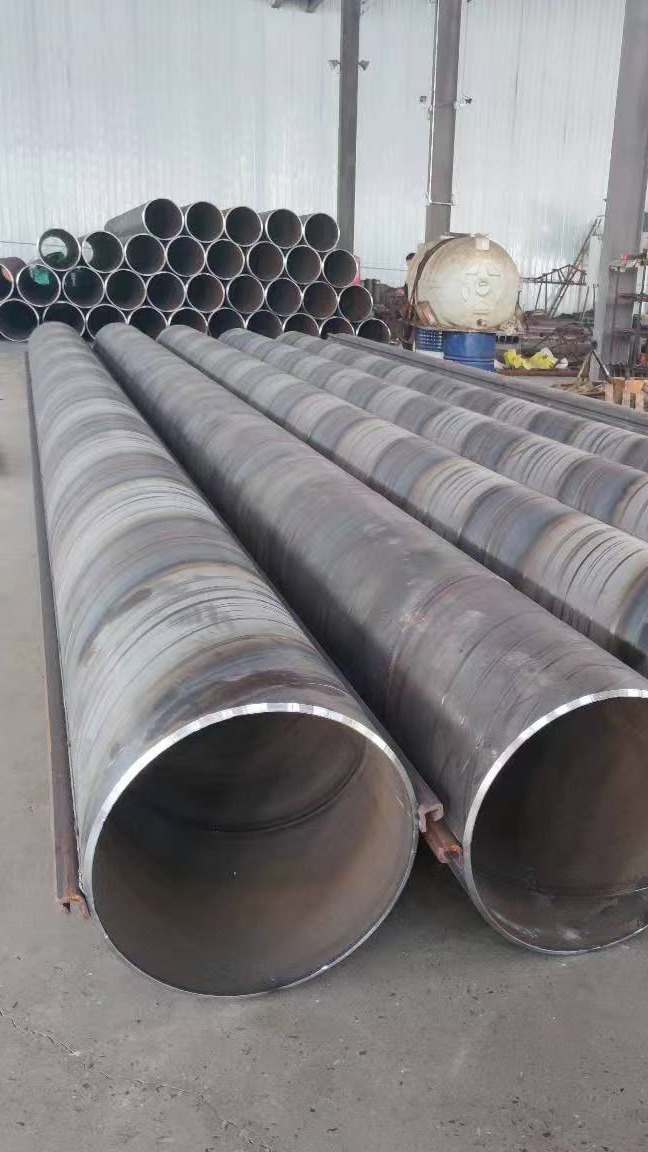
The production of an API 5L X52 pipe suitable for piling introduces a complex interplay of metallurgy and manufacturing processes. Large-diameter pipe, which is typically preferred for high-capacity piles, is predominantly manufactured using Submerged Arc Welded (SAW) methods, either the Longitudinal Submerged Arc Welded (LSAW) process for pipe diameters typically exceeding 24 inches or the Spiral Submerged Arc Welded (SSAW) process, also known as $text{HSAW}$, which offers greater flexibility in producing various diameters from a single width of steel plate, or skelp. The choice between LSAW, which involves one or more straight longitudinal welds, and SSAW, which utilizes a helical seam, carries implications for material homogeneity, residual stress distribution, and non-destructive testing (NDT) requirements. LSAW pipes, utilizing precision-formed plate, often exhibit superior dimensional control and less complex stress patterns perpendicular to the pipe axis, which is advantageous for resisting bending and handling stresses. SSAW, while often more economical for massive projects requiring high volumes of pipe in diverse sizes, introduces a helical weld that, while structurally sound, requires careful consideration of the weld seam’s orientation relative to the principal stresses during installation and service.
The critical metallurgical consideration in any welded pipe, especially $\text{X52}$, is the Heat-Affected Zone (HAZ) surrounding the weld seam. The high heat input necessary for the SAW process, where a large electrode melts into the base metal under a protective flux, can cause microstructural changes in the adjacent base material. These changes can potentially lead to either grain coarsening, which may reduce the toughness (measured by Charpy V-Notch, or CVN, energy), or the formation of hard, brittle phases, which can compromise the material’s resistance to stress corrosion cracking or hydrogen-induced cracking, particularly in more stringent PSL2 requirements or sour service environments, though sour service is less common in structural piling than in oil and gas transmission. The manufacturer must meticulously control the chemical composition of the $\text{X52}$ steel, specifically limiting the Carbon Equivalent (CE) value, a calculated metric that summarizes the hardening potential of various alloying elements (carbon, manganese, chromium, molybdenum, vanadium, etc.). A lower $\text{CE}$ is highly desirable for good weldability, ensuring that the necessary field splices and attachments can be made reliably without extensive preheating or post-weld heat treatment, which would be impractical or impossible at a job site. For API 5L X52, the stringent requirements for chemistry, often coupled with thermo-mechanical controlled process ($\text{TMCP}$) rolling during plate manufacture, ensure a fine-grain, tough microstructure capable of handling the dual demands of high strength and good weldability.
This leads directly into the critical distinction within the API 5L specification: PSL1 vs. PSL2. The Product Specification Level ($\text{PSL}$) dictates the level of testing, traceability, and material property guarantees. $\text{PSL1}$ is the basic, standard quality, while $\text{PSL2}$ imposes significantly more rigorous demands, including mandatory non-destructive testing of the pipe body and ends, stricter limitations on chemical composition, and, most importantly for structural applications subjected to dynamic loads or cold environments, a requirement for guaranteed minimum fracture toughness demonstrated through CVN testing. For a critical application like pile piping, especially in offshore or Arctic environments, the adoption of $\text{PSL2}$ $\text{X52}$ becomes an inherent, though often unstated, technical necessity, providing the engineering assurance that the steel will perform reliably even under adverse conditions that could potentially induce brittle fracture initiation. The technical analysis, therefore, must pivot on the understanding that the pipe’s performance is not just defined by its $\text{X52}$ yield strength but is fundamentally enhanced by the additional scrutiny and property guarantees inherent in the $\text{PSL2}$ level.
The installed life of the X52 pile is fraught with environmental and geotechnical challenges that must be preemptively addressed during the manufacturing and design phases. The hostile nature of soil and water environments means corrosion is a persistent and existential threat to the long-term structural integrity of the pile. In marine or coastal environments, the pipe is subject to various zones of accelerated corrosion: the atmospheric zone, the highly corrosive splash zone (where oxygen is plentiful and chloride concentration is high), the tidal zone, and the submerged anode zone. Within the soil, different corrosion mechanisms take hold, driven by moisture, $\text{pH}$ levels, soil resistivity, and the presence of anaerobic bacteria like $\text{SRBs}$. The technical solution involves an integrated system of protective coatings and cathodic protection. For the submerged and buried sections, multi-layer coatings such as Fusion Bond Epoxy (FBE) or, more commonly for heavy structural use, 3-Layer Polyethylene (3LPE) or 3-Layer Polypropylene (3LPP) are applied. These systems provide a robust physical and electrochemical barrier, but they are not infallible. The pipe wall thickness must be designed with a dedicated corrosion allowance—an additional thickness beyond the calculated structural requirement—to account for inevitable localized coating damage during handling, transportation, and the aggressive forces of pile driving. A rigorous technical analysis must therefore treat the X52 wall thickness not as a static structural requirement based on the yield stress and applied load, but as a composite dimension incorporating the structural need ($t_{struct}$), the $\text{D/t}$ ratio-based buckling requirement ($t_{buck}$), and the essential corrosion allowance ($t_{corr}$), such that the final specified thickness $t_{spec}$ is the maximum of these derived values, $t_{spec} \ge \max(t_{struct}, t_{buck}) + t_{corr}$.
Beyond the material and coatings, the geometry and dimensional tolerances mandated by API 5L are crucial for successful installation and structural fit-up. The specification dictates tight tolerances on Outside Diameter (OD), Wall Thickness (WT), and pipe length, but two often-overlooked requirements are particularly relevant to piling: straightness and end preparation. Piling requires the pipes to be fabricated into long, continuous columns, often requiring multiple sections to be joined by field welding. Any deviation from straightness can significantly complicate alignment and welding, introduce unnecessary residual stresses, and potentially decrease the column’s load-carrying capacity by increasing the effective slenderness ratio and susceptibility to Euler buckling. Furthermore, the pipe ends must be precisely prepared, typically with a bevel (e.g., 30 degrees $\pm$ 5 degrees, as per ASME B16.25 or project specifications), which is essential for ensuring a proper weld groove profile that allows for full penetration of the weld metal, guaranteeing the structural integrity of the field splice. The end preparation must also meet flatness and out-of-roundness requirements to facilitate proper fit-up, a dimensional precision that ultimately dictates the constructability and final quality of the foundation system.
The engineering analysis of the $\text{X52}$ pile’s performance requires an intricate understanding of Soil-Structure Interaction (SSI), a field that moves beyond the simple beam-in-a-vacuum model to account for the complex, non-linear, and often inelastic behavior of the surrounding soil matrix. When the pile is loaded laterally, it doesn’t fail independently; its deflection is resisted by the soil, and the relationship between the applied force ($P$) and the resulting deflection ($y$) is non-linear and depth-dependent. This is commonly modeled using the $P-y$ curve method, where the soil is represented by a series of non-linear springs. The $\text{X52}$ pipe must possess sufficient section modulus ($Z$) and moment of inertia ($I$) to limit the bending stresses ($\sigma_b = M/Z$) induced by the lateral loads ($M$ being the bending moment), ensuring that the combined axial and bending stresses ($\sigma_{total} = \sigma_a + \sigma_b$) remain well below the specified yield strength ($S_y=52 \text{ ksi}$), typically incorporating a safety factor as defined by relevant structural codes like $\text{AISC}$ or $\text{AASHTO}$ for bridge foundations. The ability of $\text{X52}$ to maintain its structural properties under the combined stress state—the complex interaction of axial, shear, and bending forces—is what makes the grade so versatile. It is a material that is robust enough to take the enormous compressive axial load while simultaneously having the requisite elastic and plastic capacity to withstand the cyclic lateral forces from waves or wind.
The final and perhaps most demanding technical phase for $\text{X52}$ pile piping is the installation and field welding process. Installation often involves hammer driving, vibratory driving, or drilling and grouting. Hammer driving imparts massive, instantaneous impact loads, generating high-frequency stress waves that propagate down the pipe wall. The $\text{X52}$ material must possess sufficient toughness and fatigue resistance to endure this process without developing microscopic cracks that could propagate under service loads. Splicing multiple $\text{X52}$ sections in the field requires meticulous adherence to qualified welding procedure specifications ($\text{WPS}$), often governed by standards such as $\text{AWS D1.1}$ (Structural Welding Code) or $\text{API 1104}$ (for pipelines, but often adapted). The use of Low-Hydrogen Electrodes (e.g., $\text{E7018}$ or similar $\text{FCAW}$/$\text{GMAW}$ consumables matching the $\text{X52}$ strength) is crucial to minimize the risk of hydrogen-induced cracking (HIC), a delayed failure mechanism where hydrogen, trapped in the weld metal or $\text{HAZ}$, builds up internal pressure and causes micro-fissures, particularly problematic in high-strength steels. The procedure must carefully control preheat temperature (especially in cold weather or for thick walls), interpass temperature, and heat input to ensure the desired mechanical properties and microstructure are achieved in the finished weld, confirming the continuity and strength of the $\text{X52}$ column is maintained across the splice. Following welding, Non-Destructive Testing (NDT)—typically Magnetic Particle Testing ($\text{MT}$) or Ultrasonic Testing ($\text{UT}$) of the field welds—is mandatory to verify that no discontinuities, such as lack of fusion, slag inclusions, or internal cracks, exist that could compromise the integrity of the finished foundation element, a final check that ensures the manufactured product meets the design intent in its installed state.
Therefore, the $\text{API 5L X52}$ pipe for pile piping is far more than a simple steel tube; it represents a highly engineered system where its material properties ($S_y=52 \text{ ksi}$, controlled $\text{CE}$, guaranteed CVN toughness under $\text{PSL2}$), its dimensional precision (straightness, $\text{OD}$/$\text{WT}$ tolerances), its manufacturing pedigree (LSAW or SSAW process control), and its protective systems (corrosion coatings, $\text{t}_{corr}$ allowance) are all interdependent and critical components in a complex structural mechanism operating in a challenging subterranean or subsea environment. The enduring choice of this specific grade for such demanding applications is a testament to the comprehensive and well-vetted nature of the API 5L specification, which has provided a foundational blueprint for steel excellence across a spectrum of critical infrastructure for decades, proving its reliability not just in conveying energy but in physically supporting the structures of the modern world.
The deep engineering rationale underpinning the persistent selection of API 5L X52 steel for critical pile piping extends further into the economics of deep foundation construction, encompassing not just the initial material cost but the total installed cost, which is heavily influenced by the speed and ease of field fabrication and the long-term reliability against premature failure. While higher strength steel grades, such as X60 or X65, are metallurgically available and offer the promise of reducing wall thickness further, thereby decreasing material tonnage, this advantage is frequently nullified by the exponential increase in complexity and cost associated with field welding these higher-strength alloys. As the yield strength of the steel increases, the $\text{CE}$ often rises, making the material more susceptible to cold cracking (HIC) in the $\text{HAZ}$ and requiring more stringent and costly welding procedures, including mandatory higher preheat temperatures, slower travel speeds, and more specialized, low-moisture welding consumables, all of which significantly increase the field welding time and associated labor costs, which are often the dominant factor in overall piling installation expenses. The X52 grade, positioned in the middle range of the high-strength steels, strikes an optimal balance: it provides substantial strength gains over mild steel without introducing the severe metallurgical sensitivity that drives up field execution risks and costs, positioning it as the pragmatic, cost-effective, and robust workhorse of deep foundation construction. The ability to achieve reliable, high-quality field welds quickly and efficiently using standard, well-established procedures is a non-trivial factor in project scheduling and risk management, making the X52’s excellent $\text{weldability}$ a primary technical advantage that translates directly into economic feasibility.
Furthermore, the fatigue performance of the X52 material is a critical, yet often subtly considered, aspect of its structural suitability, particularly in applications where cyclic loading is present, such as offshore platforms subject to wave action or bridge foundations experiencing repetitive traffic loading. Fatigue failure, the initiation and propagation of cracks under repeated stresses that are individually below the material’s static yield strength, is highly dependent on the steel’s microstructure and the quality of the welded joints. The controlled rolling and processing of X52 steel, especially when manufactured under the stricter $\text{PSL2}$ requirements that control inclusion shape and distribution, ensures a fine, clean microstructure that inherently possesses good fatigue life. However, in the piling application, the most likely sites for fatigue crack initiation are the numerous field welded splices and the points of attachment for temporary construction aids or lifting lugs. The geometric discontinuity and the presence of weld toes act as stress concentrators, amplifying the nominal applied stress by a Stress Concentration Factor ($\text{SCF}$). The design and quality control must therefore mandate meticulous profile control of the field welds, often requiring smooth transitions and possibly grinding the weld toe to mitigate these geometric stress risers, ensuring that the inherent fatigue resistance of the $\text{X52}$ base metal is not compromised by poor fabrication practices, an issue where the responsibility shifts from the pipe manufacturer to the project constructor, but remains a critical technical consideration for the product’s ultimate success.
The technical depth of the API 5L specification also imposes rigorous demands on the pipe’s internal quality, focusing heavily on non-destructive testing ($\text{NDT}$) protocols. For $\text{PSL2}$ $\text{X52}$ piping, the specification requires $100\%$ examination of the weld seam using automated $\text{Ultrasonic Testing (UT)}$ to detect linear discontinuities, such as lack of fusion or cracks, and often mandates a secondary $\text{Radiographic Testing (RT)}$ check, particularly at the pipe ends. While these tests are primarily concerned with the weld integrity, the pipe body itself is also subjected to $\text{UT}$ or $\text{Electromagnetic Inspection (EMI)}$ to detect material flaws like laminations or significant inclusions in the base metal, which are especially critical in thick-walled sections where through-thickness tensile stresses could cause lamellar tearing during welding or under complex loading. The sheer volume of material required for large piling projects necessitates this comprehensive quality assurance regime, transforming the $\text{API 5L}$ pipe not merely into a product but into a certified, traceable, and quality-controlled commodity. Each section of $\text{X52}$ pipe must carry unique identification, including its grade, $\text{PSL}$ level, heat number, and test pressure, forming an unbroken chain of documentation that is a foundational element of quality management in major civil engineering projects. This documentation is what engineers rely upon to confirm that the material properties assumed in the structural analysis (e.g., $S_y = 52 \text{ ksi}$, minimum $\text{CVN}$ energy) are, in fact, verifiably present in the installed element, a mandatory technical step for adherence to construction codes and liability management.
Moreover, the technical analysis of the $\text{X52}$ pipe’s application in piling must account for the mechanisms of $\text{load transfer}$ and the interaction with various soil types. In cohesive soils (clays), the pile relies heavily on adhesion and $\text{end-bearing}$, where the steel-soil interface strength dictates the skin friction capacity. In granular soils (sands and gravels), the pipe’s rougher surface finish, particularly if it retains the mill scale or has an $\text{FBE}$ or $\text{3LPE}$ coating, enhances the $\text{frictional resistance}$, which can be modeled using the critical state soil mechanics and stress path methods. The stiffness of the X52 material, defined by its Modulus of Elasticity $E \approx 29,000 \text{ ksi}$, is critical here. While $E$ is essentially the same for all carbon steels, the combination of high yield strength and a greater wall thickness (which increases $I$) allows the $\text{X52}$ pile to achieve the necessary stiffness to limit tip deflection under load, a primary serviceability criterion. A pile that is too flexible, even if it has adequate strength, will deform excessively, leading to unacceptable settlement of the supported structure. Thus, the $\text{X52}$ grade is intrinsically linked to the concept of stiffness-controlled design, where the geometric properties of the pipe wall must be selected to control deflection and stability rather than merely preventing catastrophic yielding.
The structural stability of the $\text{X52}$ pipe as a column is also a paramount concern, particularly when the pipe is installed as an unbraced column above the mudline in marine environments, or when it acts as a liner for a cast-in-place pile. The $\text{D/t}$ ratio, as previously noted, is the key parameter governing local buckling—the crinkling or wrinkling of the pipe wall under high axial compression. API 5L, while primarily a material specification, is implicitly supported by structural codes (like $\text{AISC}$ or $\text{DNV}$) which provide limits on the $\text{D/t}$ ratio based on the grade’s yield strength to ensure the pipe can develop its full axial compression capacity before the onset of local instability. For the $\text{X52}$ grade, these limits are less restrictive than for ultra-high-strength steels, meaning that a more slender pipe (higher $\text{D/t}$) can be used without premature buckling, again contributing to a more material-efficient and cost-effective design. Furthermore, for piles that are filled with concrete, the $\text{X52}$ pipe acts as permanent formwork, but its structural contribution shifts from being the sole load-bearing element to providing confinement to the concrete core, significantly enhancing the concrete’s compressive strength and ductility, a composite action known as concrete-filled steel tube (CFST) behavior, which is a highly specialized and structurally efficient design concept that leverages the high yield strength of the $\text{X52}$ casing to its maximum potential.
Finally, the long-term $\text{durability}$ of the $\text{API 5L X52}$ pipe hinges on the management of its protective coatings and the implementation of effective Cathodic Protection ($\text{CP}$) systems, particularly in submerged environments. The integrity of the 3LPE coating, for instance, must be maintained throughout its service life, as any holiday (a pinhole or flaw in the coating) can create an anodic site where accelerated corrosion consumes the steel. The $\text{CP}$ system, whether utilizing sacrificial anodes (typically zinc or aluminum) or impressed current systems, works by transforming the entire exposed $\text{X52}$ steel surface into a cathode, suppressing the electrochemical corrosion reactions. The technical complexity here lies in the calculation of the required current density and the lifespan of the anodes, which is a function of the total exposed area of steel (i.e., the area of coating damage) and the resistivity of the surrounding electrolyte (seawater or soil). The high quality and low $\text{CE}$ of the $\text{X52}$ material ensures a relatively uniform corrosion potential across the pipe surface, which simplifies the design and effectiveness of the $\text{CP}$ system, making it a reliable partner in ensuring the $\text{100-year design life}$ often specified for major infrastructure assets. Thus, the technical analysis of this product must perpetually loop back to the concept of system integrity, where the $\text{X52}$ pipe is the core structural element, but its performance is fundamentally reliant on the quality control of its manufacture and the meticulous engineering of its protective and installation processes.
Application Focus
API 5L X52 steel pipe is widely used in high-standard fields due to its high strength, good toughness, and excellent weldability:
-
Offshore Deep Foundation Piles: Used for oil platforms, wind turbine foundations, and jetty piles, where they endure high axial loads, lateral wave forces, and corrosive environments.
-
Bridge and Large Structure Piles: Serving as bearing piles for bridges, high-rise buildings, and critical infrastructure, particularly in seismic zones or soft soil conditions.
-
Concrete-Filled Steel Tubular ($\text{CFST}$) Piles: Used as permanent formwork and confinement shells, forming a composite structure with the internally poured concrete, greatly enhancing load capacity and seismic resistance.
-
Jacket Structures: Used in offshore engineering as the main structural members or braces of jacket platforms, requiring material with high fatigue performance.
Key Technical Features
The selection of API 5L X52 steel pipe as the material of choice for pile piping stems from the following core technical characteristics:
-
Optimal High Strength-to-Cost Ratio: $\text{X52}$ delivers a high yield strength of $358 \text{ MPa}$, allowing for thinner wall designs, which reduces material cost and pile weight. Critically, it avoids the complex and costly field welding procedures associated with higher-grade steels, optimizing cost-effectiveness.
-
Excellent Field Weldability: The strictly controlled low $\text{CE}$ value of $\text{PSL2}$ ensures reliable butt and splice welding can be performed in field or marine environments without excessive preheating, significantly accelerating construction schedules.
-
Guaranteed High Toughness: The mandatory $\text{CVN}$ impact testing ($\text{PSL2}$) guarantees the material’s ability to resist brittle fracture, which is essential for piles subjected to dynamic driving impacts and service in cold environments.
-
High Dimensional Accuracy: Strict tolerance control over straightness, roundness, and flatness ensures smooth assembly and high-precision installation of long pile strings, a prerequisite for maintaining structural integrity.
-
Comprehensive Traceability and QA/QC: The $\text{API 5L}$ standard mandates full testing, traceability, and detailed quality records for every batch, providing structural engineers with unparalleled confidence in the material and compliance with project codes.